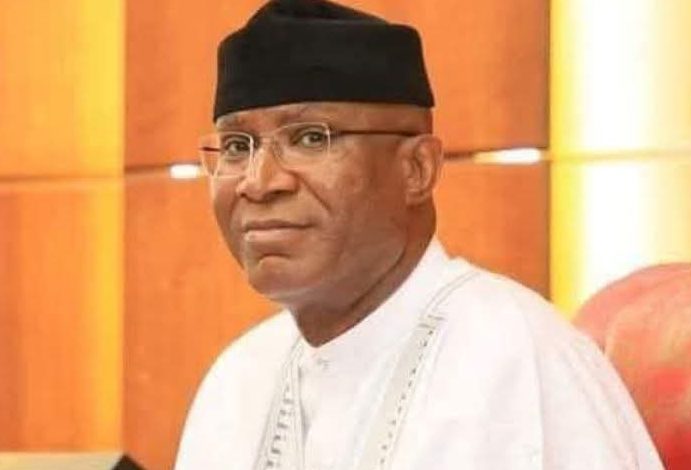
Ovie Omo-Agege's departure from the All Progressives Congress (APC) marks a significant shift in Delta State's political landscape, revealing deepening fractures within the party. As former Deputy President of the Senate, Omo-Agege's resignation comes amid growing discontent over internal dynamics and leadership struggles, which he described as leaving him feeling like "a sitting duck." His exit underscores the challenges facing the APC in maintaining unity, especially as the 2027 elections approach.
Omo-Agege's decision is not merely personal but reflects broader dissatisfaction among party members who feel marginalized. His resignation may galvanize other disaffected politicians, potentially leading to a realignment of political forces in the region. The APC's inability to address these internal conflicts could result in a loss of support among constituents, particularly as rival parties seek to capitalize on the APC's vulnerabilities.
Looking ahead, Omo-Agege's next steps will be crucial. Whether he aligns with a new political entity or forms his own party, his influence in Delta State politics is likely to persist, setting the stage for a more fragmented electoral landscape in 2027.