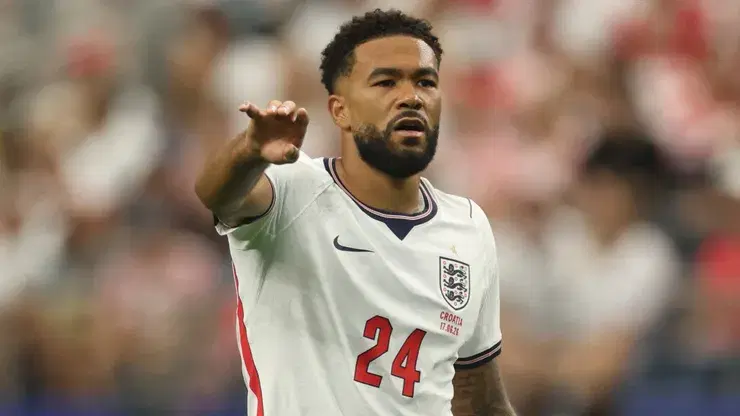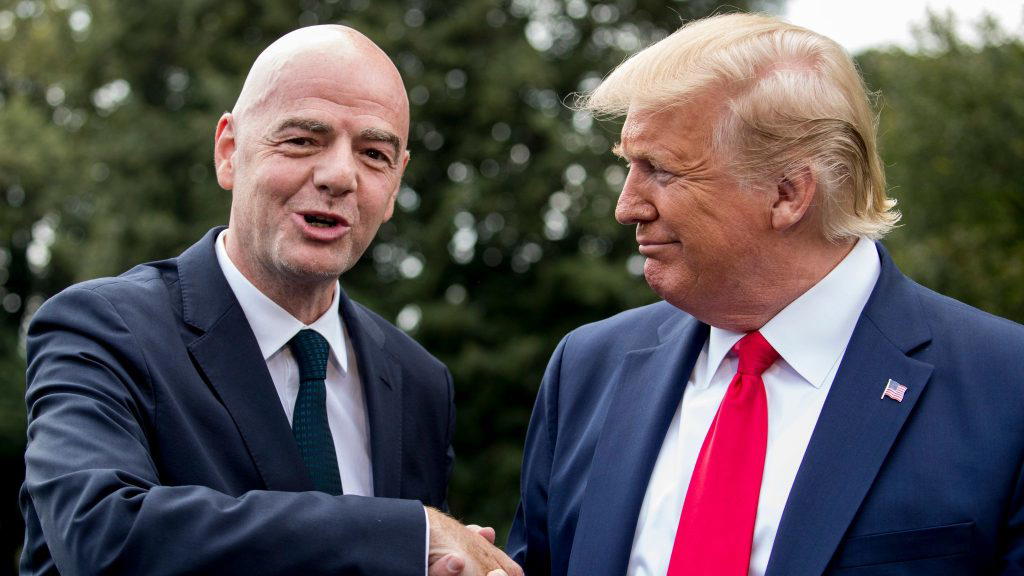
In an unexpected diplomatic exchange, FIFA President Gianni Infantino revealed that he reassured U.S. President Donald Trump about the independence of FIFA’s disciplinary body regarding the controversial red card issued to World Cup star Folarin Balogun. This discussion highlights the growing intersection of sports and politics, particularly as the U.S. prepares to host the upcoming World Cup.
Infantino stated, “I told President Trump that the disciplinary process is autonomous and must be respected.” His comments come amidst rising tensions and scrutiny over officiating decisions in major tournaments, suggesting that external pressures could complicate FIFA's governance. The independence of FIFA's disciplinary mechanisms is a cornerstone of its credibility, yet this incident underscores the potential for political influence in sports.
Looking ahead, as global sporting events increase in prominence, maintaining the integrity of governing bodies like FIFA will be critical. The balance between political interests and the autonomy of sports organizations will likely shape future interactions, potentially influencing decisions that affect players and the broader sporting community. How FIFA navigates these pressures may determine its reputation and legitimacy in the eyes of fans and stakeholders alike.