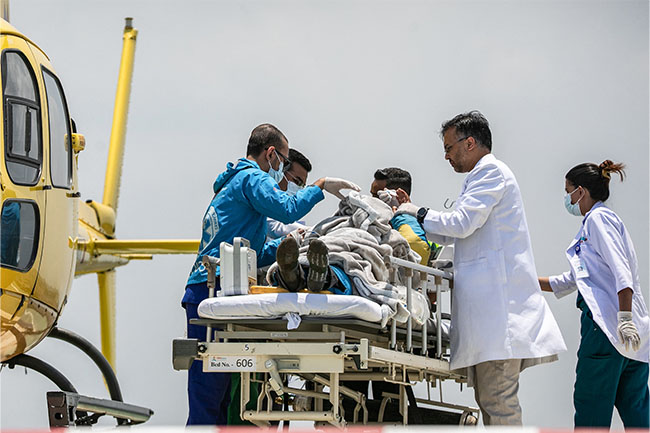
In a harrowing tale of survival, Dawa Sherpa, an Everest climber, recounted his near-fatal experience stranded in the mountain's perilous "death zone." Left without adequate food or water for several days, Sherpa faced sub-zero temperatures and critically low oxygen levels, pushing the limits of human endurance. His account underscores the dangers that climbers encounter in this unforgiving environment.
Sherpa described his ordeal, stating, "I thought I would perish. Every moment felt like a battle against the cold and my own body." His experience highlights the increasing risks associated with high-altitude climbing, where unpredictable weather and the physical toll on climbers can lead to devastating consequences. As more adventurers attempt to conquer Everest, the challenges of altitude sickness and resource scarcity become ever more critical.
Looking ahead, this incident raises significant questions about the safety measures and preparedness of climbers on Everest. As more people seek to conquer the world's highest peak, authorities may need to reevaluate regulations and support systems to ensure climber safety and preserve the mountain's integrity. Sherpa's story serves as a poignant reminder of the thin line between ambition and survival in extreme conditions.