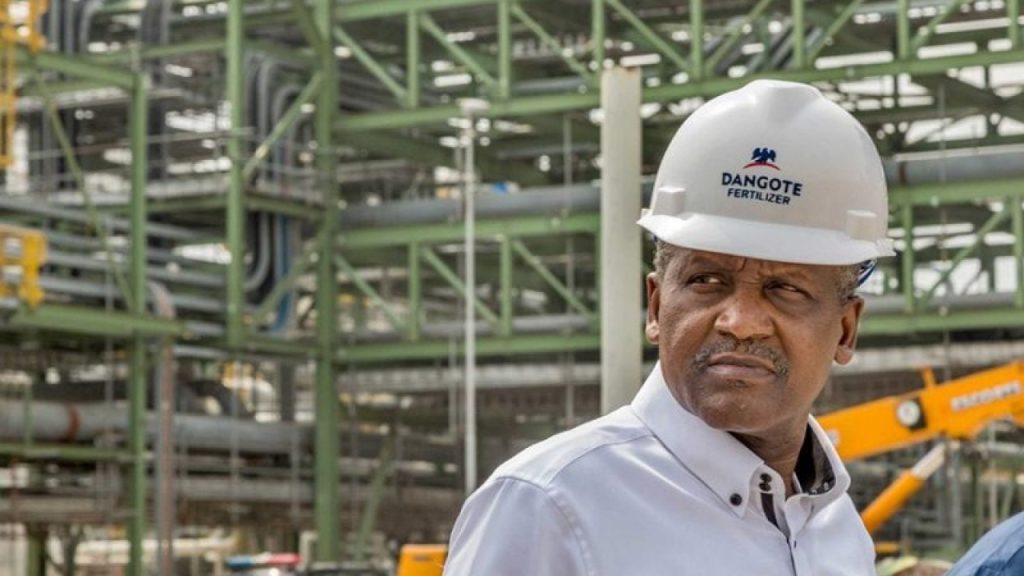
In a significant move highlighting tensions in Nigeria’s oil sector, Aliko Dangote, Africa’s richest man, has publicly rejected a proposal from the Nigerian National Petroleum Corporation (NNPC) to increase its stake in his refinery. This decision underscores the ongoing concerns regarding government policy consistency, which Dangote identifies as a major risk for investors. Currently, NNPC holds 7.25 percent of the Dangote Refinery, and its interest in acquiring a larger stake reflects the national oil company’s desire to strengthen its position in the burgeoning downstream sector.
Dangote emphasized, “We are the ones that said no; we want to now spread it and keep it in the private sector.” His commitment to maintaining private ownership could signal a shift in how public-private partnerships function within Nigeria’s oil industry. This stance may also be influenced by past experiences of fluctuating policies that have hindered investment.
Looking ahead, the dynamics between private enterprises and government entities will be crucial. As Nigeria seeks to bolster its refining capacity, how both parties navigate these relationships will determine the future landscape of the country’s oil sector and its overall economic stability.