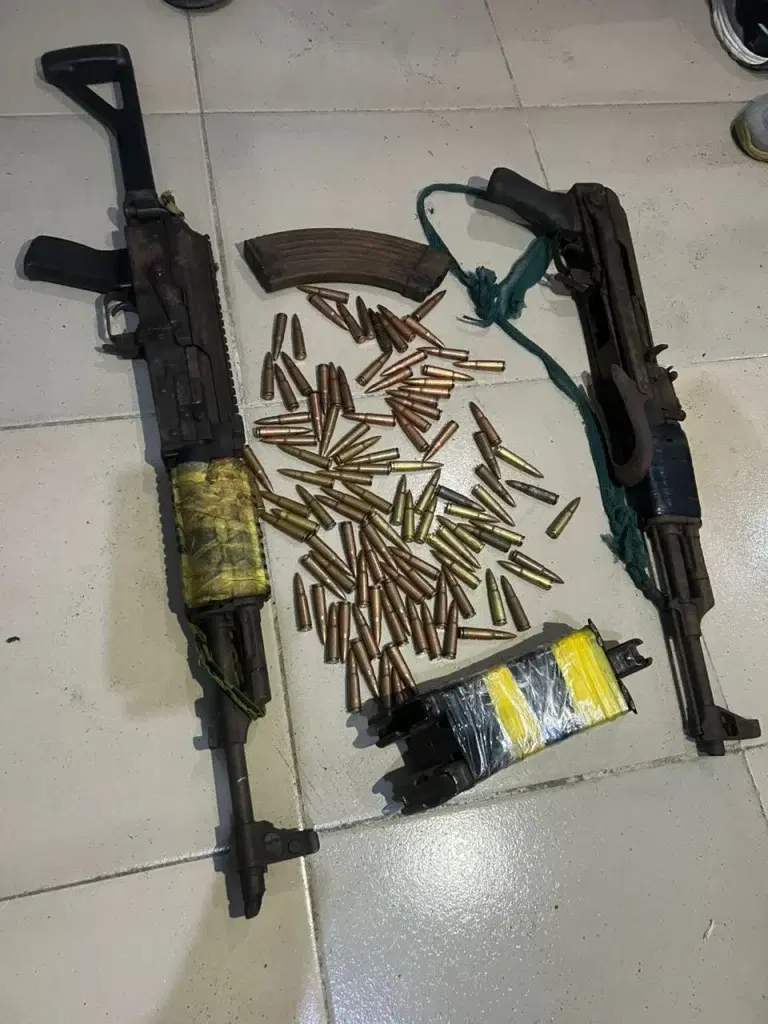
Akaninyene Eretus, a suspected serial killer, has confessed to murdering two men as an act of vengeance for the long-ago deaths of his family members during a communal conflict nearly three decades ago. This shocking revelation sheds light on the enduring impact of historical violence and unresolved grievances within communities. Eretus claims that his actions were driven by a desire for retribution, highlighting the psychological scars left by violence that can fester over generations.
Detectives report that Eretus's narrative is not only about personal revenge but also reflects broader societal issues. Dr. Jide Okwuosa, a criminologist, commented, "This case underscores how communal crises can lead to cycles of violence that span generations, creating a dangerous precedent for future conflicts." As authorities investigate the full extent of Eretus’s actions, the case raises important questions about the role of justice and healing in post-conflict societies.
Looking ahead, it is crucial for local governments and community leaders to address underlying tensions and foster dialogue to prevent similar tragedies. Public awareness and education initiatives may be vital in breaking the cycle of vengeance and promoting long-term peace.