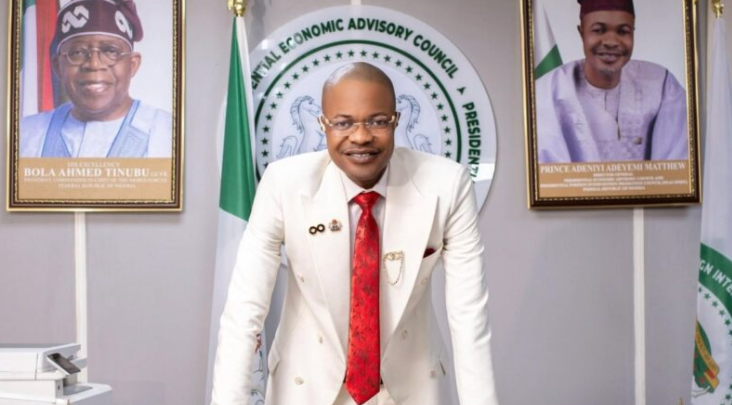
The political landscape in Nigeria is rattled as Adeyemi, the purported Director-General of the Petroleum Fuel and Infrastructure Project Company (PFIPC), claims he borrowed N400 million to secure his appointment. This revelation, made during a recent interview on Channels Television’s Politics Today, raises serious questions about the integrity of high-level appointments in the Tinubu administration.
Adeyemi has accused Femi Gbajabiamila, Chief of Staff to President Bola Tinubu, of receiving the funds via an intermediary to facilitate his rise. "This system of patronage undermines our democracy and the trust of the Nigerian people," Adeyemi stated, highlighting the pervasive issue of corruption within the political elite.
This scandal not only casts a shadow over the PFIPC but also reflects broader concerns regarding governance and accountability in Nigeria. As the nation grapples with economic and social challenges, the implications of such allegations could fuel public discontent and calls for reform. The unfolding situation warrants close scrutiny, as it may influence future political dynamics and the credibility of the current administration.