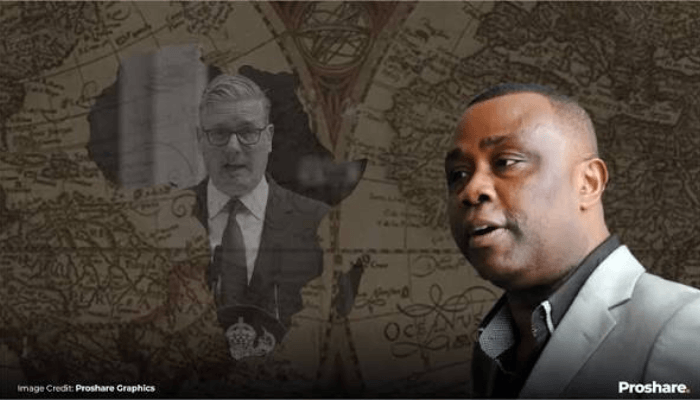
Access to education remains a pivotal issue for emerging economies, as it shapes not just individual futures but also national prosperity. Recent debates in Belgium highlight the tensions between educational access and protectionist policies that seek to prioritize local interests over global competitiveness. Such restrictions, while ostensibly aimed at safeguarding jobs, risk stunting the growth of human capital essential for economic advancement.
Stakeholders argue that limiting educational opportunities can have long-lasting detrimental effects. "Education should be a bridge, not a barrier," says Dr. Amina Ndidi, an education policy expert. "By stifling access, we are effectively undermining our potential for innovation and development." This sentiment echoes across various sectors in emerging economies, where the workforce's skills directly correlate to a nation's global standing.
Looking ahead, policymakers must recognize that fostering a robust educational framework is crucial for sustainable growth. In an increasingly interconnected world, embracing educational access rather than restricting it may hold the key to unlocking economic potential and enhancing national identity. Only through inclusive educational policies can countries fully harness their human capital and thrive in a competitive global landscape.