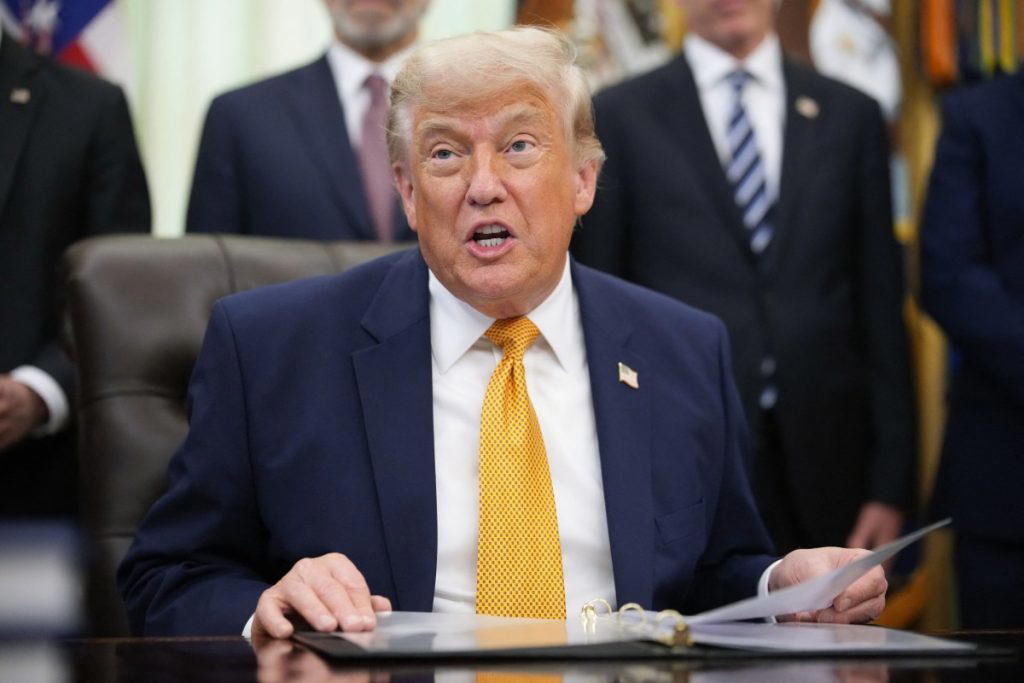
In a recent statement, U.S. President Donald Trump asserted that military strikes in Nigeria effectively protected Christian communities from terrorist violence. This claim comes amid rising concerns over the persistent attacks by extremist groups, which have disproportionately targeted Christians in the region, leading to widespread casualties and displacement.
The U.S. intervention, which reportedly involved precision airstrikes, has been framed by Trump as a decisive action that halted the systematic killing of Christians, a narrative that aligns with ongoing debates about the U.S.'s role in global humanitarian crises. "We cannot stand by while innocent lives are taken," Trump emphasized, underscoring a moral imperative that resonates with his administration's foreign policy objectives.
As Nigeria grapples with the complexities of ethnic and religious strife, the long-term impact of U.S. involvement remains uncertain. While immediate threats may have been neutralized, the underlying issues of governance, local grievances, and extremist ideologies persist. Looking ahead, it is crucial for both the Nigerian government and international partners to prioritize sustainable solutions that address the root causes of violence and foster long-term stability in the region.