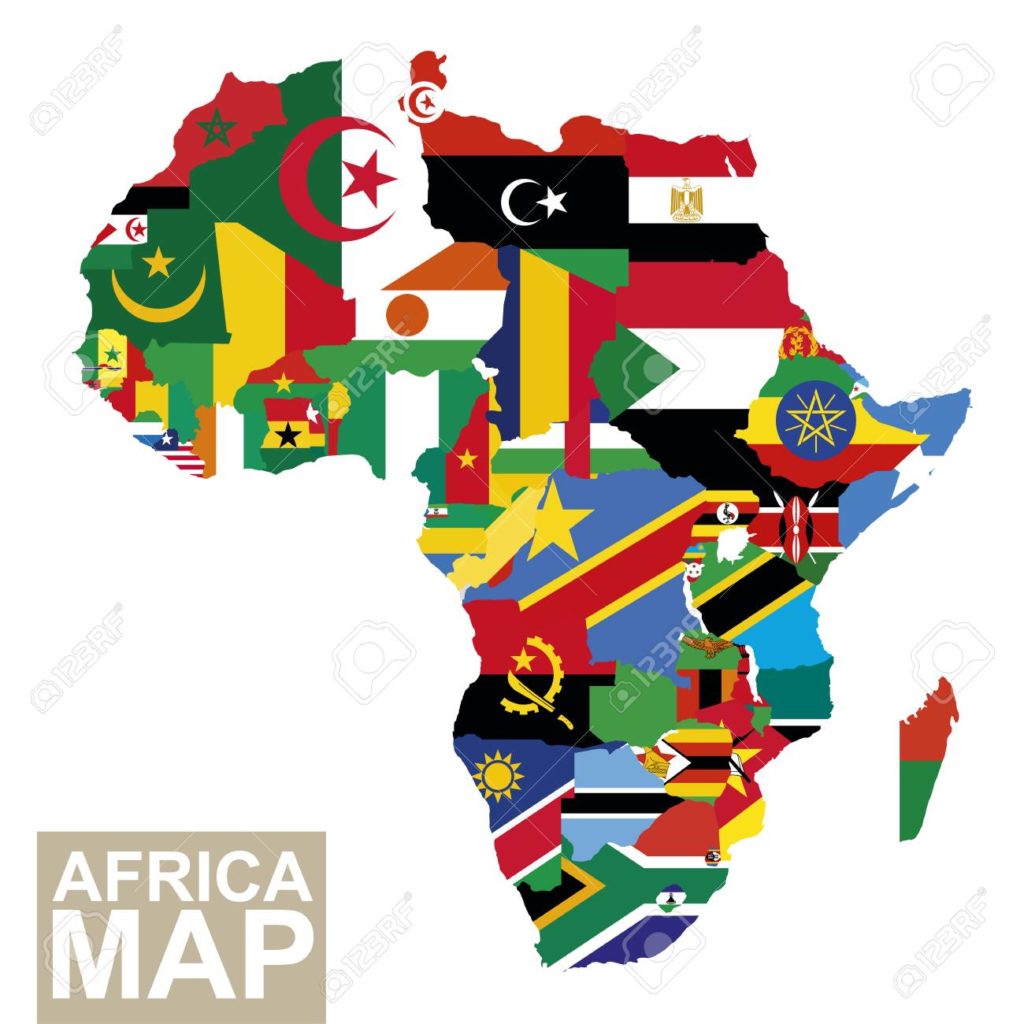
The U.S. government's controversial strategy of relocating migrants to African nations has raised significant ethical and humanitarian concerns. Reports reveal that migrants have been sent to countries like the Democratic Republic of Congo and Uganda, while others have vanished after being sent to conflict-ridden South Sudan. This tactic is seen as an effort to manage a growing migration crisis at home by offloading responsibilities onto vulnerable nations.
Critics argue that this approach exploits the weaknesses of these countries and disregards the migrants' safety and rights. "We cannot allow our migration policies to become a bargaining chip in international negotiations," asserts Maria Gonzalez, a representative for Human Rights Watch. The implications of these actions extend beyond immediate humanitarian concerns, potentially fostering instability in already fragile regions.
As the U.S. continues to face domestic pressure over immigration, the reliance on cash incentives and coercive measures to manage migrant flows may set a dangerous precedent. The long-term effects on both the migrants and host countries could lead to increased tensions and further complicate the global migration landscape, necessitating a reevaluation of ethical responsibilities on the world stage.