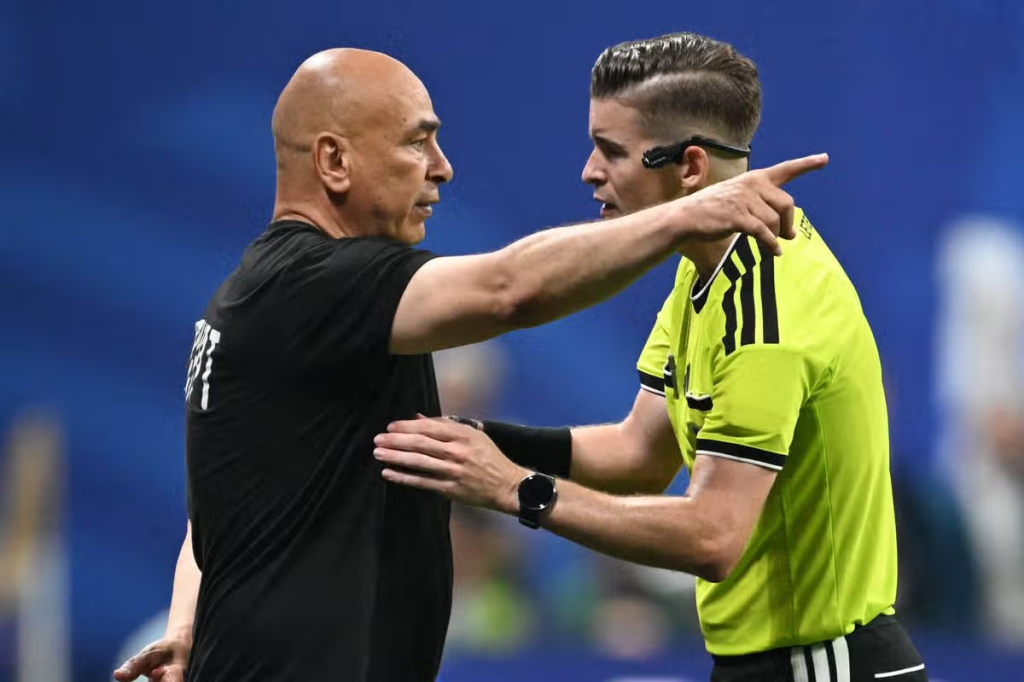
The 2026 World Cup turned into a tale of missed opportunities for three African teams, as Egypt, Senegal, and DR Congo surrendered leads and faced early exits. These teams entered the tournament with high hopes, showcasing promising performances in the group stages, but their inability to maintain advantage in crucial moments proved costly.
In a devastating match against Brazil, Egypt led 2-1 until the last ten minutes, ultimately losing 3-2. Senegal fell prey to an aggressive second-half comeback from Portugal, while DR Congo's defensive lapses allowed Australia to snatch a late equalizer that led to penalties. "It's heartbreaking to see us lose control when we had the game in our hands,” lamented Ahmed Hossam, the Egyptian team captain.
This pattern of relinquishing leads highlights a recurring issue for African teams on the world stage—resilience under pressure. As the tournament progresses, these setbacks underscore the need for better mental fortitude and tactical adjustments. Moving forward, the lessons learned will be crucial for future competitions, as African football strives to break the cycle of disappointment and achieve greater success on the global stage.