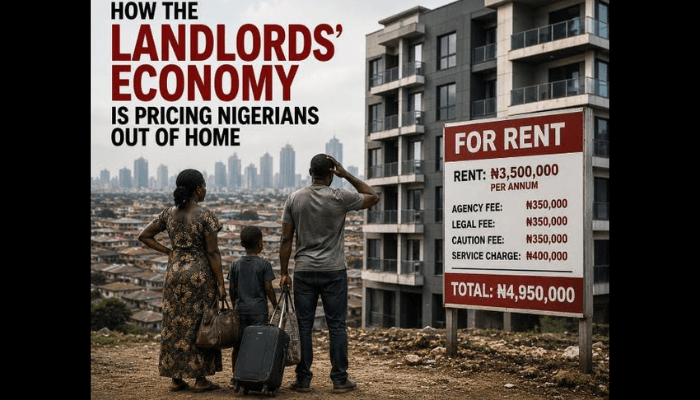
In Nigeria's current economic landscape, the surge in housing prices is driving many citizens further from the dream of homeownership. Real estate data reveals that rents in urban areas have skyrocketed, often outpacing wage growth and inflation. This phenomenon is attributed to a combination of factors, including increased demand for housing, limited supply, and a lack of effective government policies to regulate the rental market.
Housing advocates warn that this "landlords' economy" is creating a significant social divide. "With housing costs soaring, many families are forced to live in substandard conditions or face eviction," says Grace Okwu, a housing rights activist. The struggle for affordable housing not only affects individual families but threatens societal stability as well.
As Nigeria grapples with these challenges, the need for comprehensive housing reforms becomes increasingly urgent. Policymakers must prioritize sustainable development initiatives and incentivize affordable housing projects. Without intervention, the risk of widespread homelessness looms large, further exacerbating the socio-economic disparities that already plague the nation.