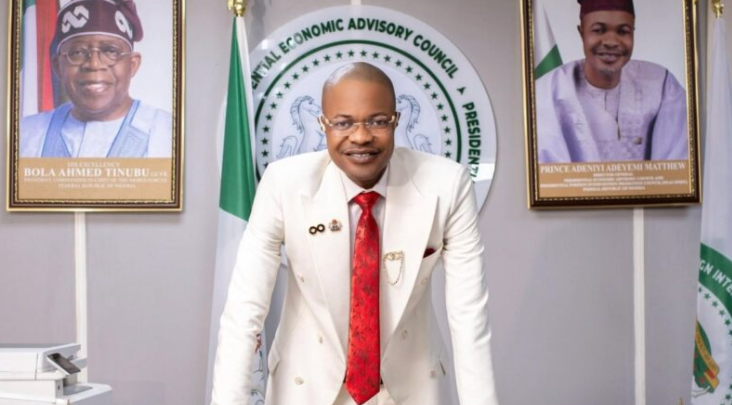
The inclusion of the Presidential Foreign Intervention Promotion Council (PFIPC) in Nigeria's 2026 budget raises critical questions about transparency and governance. Prince Adeniyi Matthew Adeyemi, the self-styled Director-General of the PFIPC, revealed that despite his earlier arrest, the agency's funding was secured through a complex process that he claims involved “key stakeholders who believed in the vision of promoting Nigeria on the global stage.”
The PFIPC's emergence in the federal budget reflects a broader trend of controversial agencies receiving government support, often without clear mandates or accountability. Adeyemi's arrest prior to the budget's finalization has fueled speculation about backdoor negotiations and the influence of hidden interests within the political landscape. Critics argue that the PFIPC's operations could lead to misallocation of resources, diverting funds from more pressing national needs.
Looking ahead, the ongoing scrutiny of the PFIPC may prompt calls for reform in budgetary processes and greater accountability for agencies that lack transparency. As the political climate evolves, it remains to be seen whether this controversy will spur meaningful change in Nigeria's governance or perpetuate the status quo.
