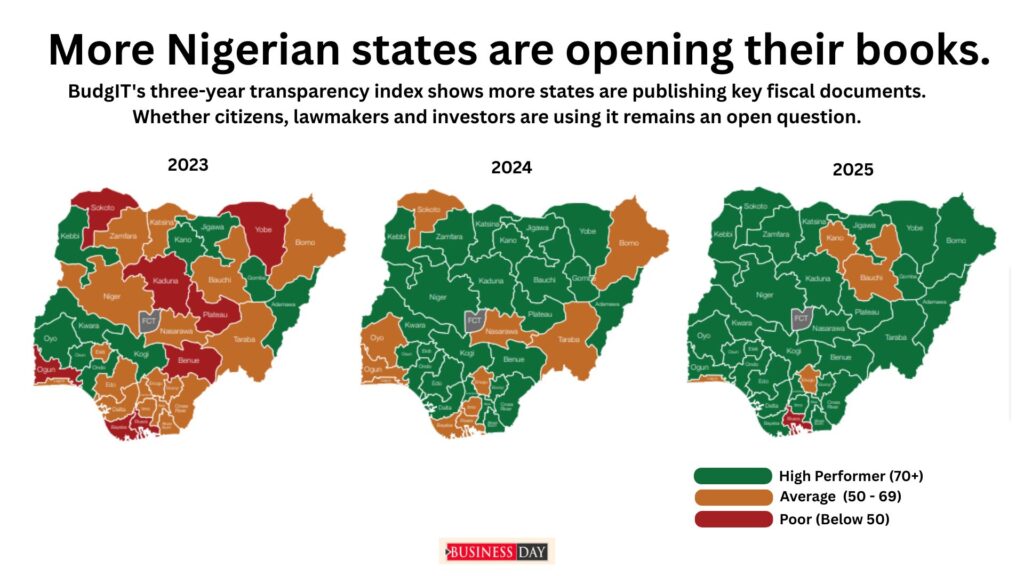
In recent years, Nigerian states have begun to embrace greater fiscal transparency, shifting the longstanding focus on the Federal Government. This change is crucial as states manage substantial resources that directly impact local communities. Initiatives such as the Open Government Partnership and the Fiscal Responsibility Act are gaining traction, encouraging state governments to disclose budgets and financial reports.
Key developments include several states implementing electronic budgeting systems and engaging civil society organizations to monitor expenditures. According to Oby Ezekwesili, former Minister of Education and co-founder of the #BringBackOurGirls movement, "Transparency is not just a demand from citizens; it is a catalyst for development and accountability." This sentiment reflects a growing recognition that fiscal openness can enhance governance and foster trust between citizens and their leaders.
As more states adopt transparent practices, the potential for improved public services and accountability increases. If this trend continues, it could pave the way for a more equitable distribution of resources and set a precedent for governance across Africa. The ongoing push for fiscal transparency may ultimately redefine the relationship between citizens and their governments, fostering a culture of accountability that extends beyond borders.
