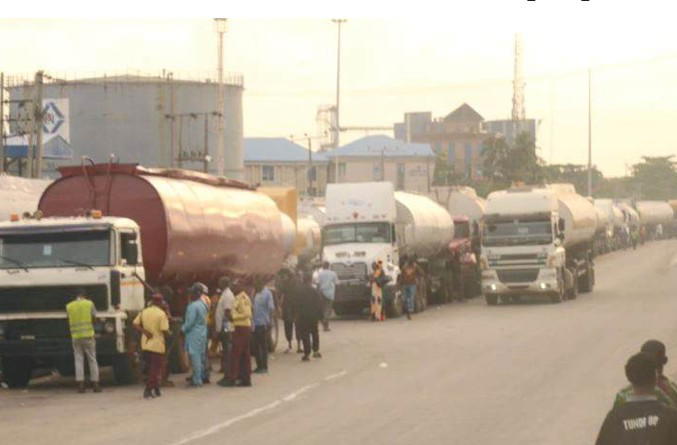
The persistent gridlock plaguing Lagos’ Apapa and Kirikiri industrial corridors highlights a critical failure in infrastructure management, primarily driven by the indiscriminate parking of idle petroleum tankers. Industry stakeholders have voiced their concerns, revealing that inadequate parking bays exacerbate the chaos, making it increasingly difficult for other vehicles and commercial activities to operate effectively.
According to Bolaji Akintola, a transport logistics expert, "The lack of organized parking solutions for tankers is a recipe for disaster, affecting not just traffic but the entire supply chain in Lagos." This situation has persisted for years, with the government struggling to implement sustainable solutions, while businesses face mounting operational delays and increased costs.
As Lagos continues to grow, addressing these logistical challenges will be paramount. The government must prioritize the development of proper parking facilities and enforce regulations that prevent tanker congestion. Without decisive action, the economic repercussions could worsen, hindering the city's potential as a thriving commercial hub. Stakeholders are hopeful that collaborative efforts between the government and industry leaders will pave the way for much-needed reform and modernization in the transport sector.
