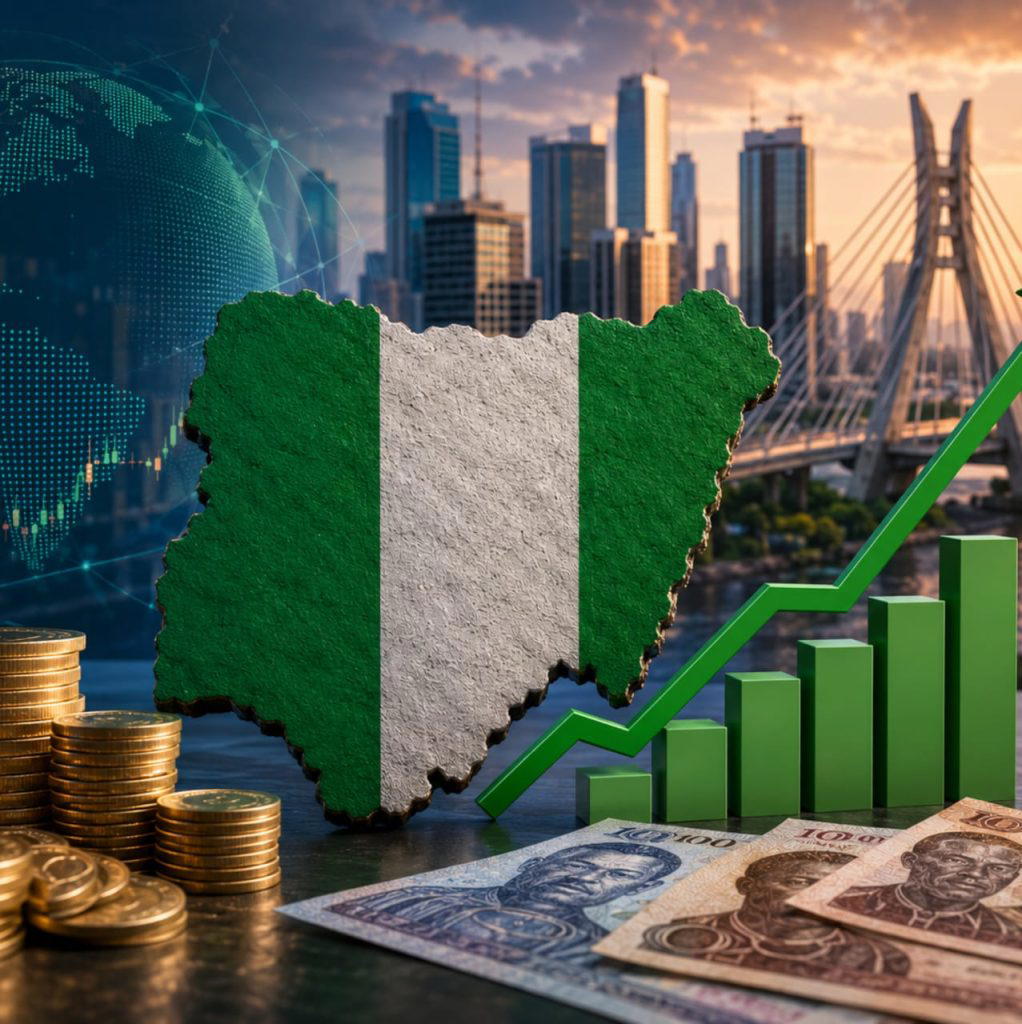
Nigeria's recent economic policy shifts have substantially altered the landscape of its foreign exchange market, prompting increased scrutiny from traders and investors. In response to persistent inflation and currency volatility, the Central Bank of Nigeria has implemented reforms aimed at stabilizing the naira and fostering economic growth. These measures include adjusting interest rates and introducing more flexible exchange rate mechanisms.
Stakeholders are beginning to see the impact of these reforms. "The changes in policy have created a more predictable environment for forex trading, which is crucial for both local and foreign investors," said Chuka Obasi, a financial analyst at a Lagos-based investment firm. Increased investor confidence is evident, as foreign direct investment has shown signs of recovery, and businesses are adapting their strategies to leverage new opportunities in the forex market.
Looking ahead, the effectiveness of these economic policies will be tested as global market conditions fluctuate. If Nigeria can maintain a stable and transparent forex environment, it may attract further investment and foster sustainable economic growth in the long run. However, ongoing challenges such as inflation and external economic pressures remain critical factors to monitor.