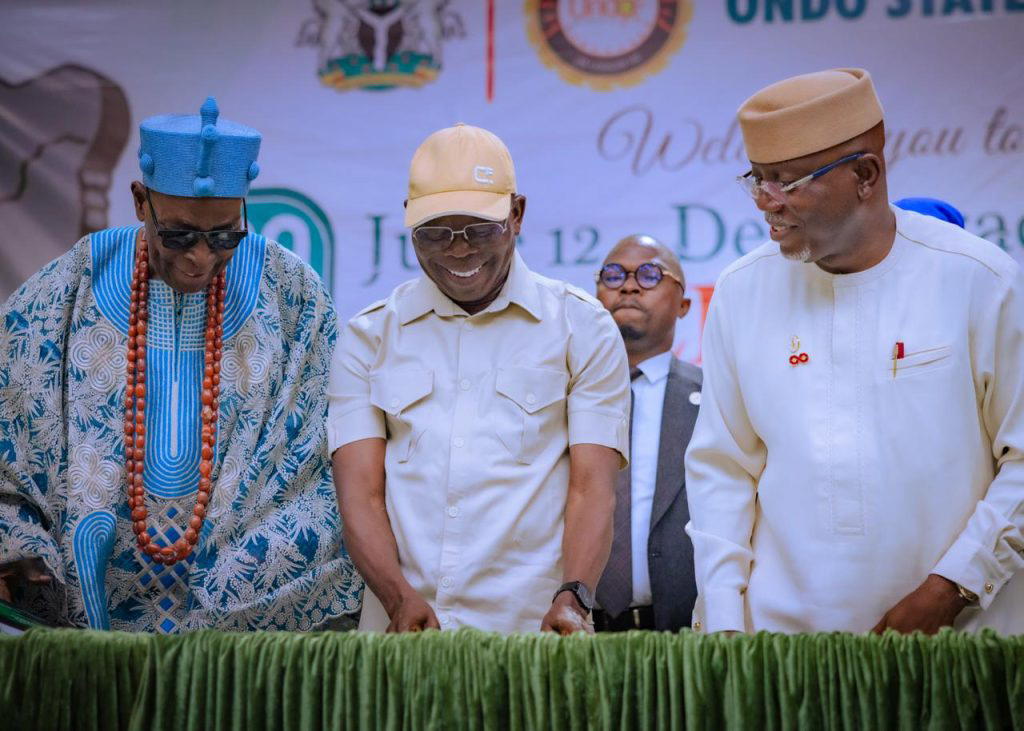
In a recent reflection on Nigeria's political history, former Edo State governor Adams Oshiomhole recounted how M.K.O. Abiola resisted temptations to abandon his June 12 mandate. Oshiomhole emphasized that Abiola, facing immense pressure from late military ruler Sani Abacha, chose principle over personal freedom. "Abiola was offered anything to relinquish his claim, yet he stood firm," Oshiomhole stated, highlighting the significance of integrity in leadership.
The June 12 elections, widely regarded as the freest in Nigeria's history, were annulled by the military, leading to widespread protests and unrest. Abiola's steadfastness became a symbol of democracy and resistance against military rule. As Nigeria commemorates the anniversary of this pivotal event, the discourse around state police is gaining traction, with Aiyedatiwa asserting readiness for such reforms. This reflects a growing recognition of the need for improved security and governance across the nation.
As Nigeria grapples with its past while looking to the future, the lessons from Abiola's legacy remain relevant. The call for accountability and democratic principles continues to resonate, suggesting that the struggle for genuine democracy is far from over.