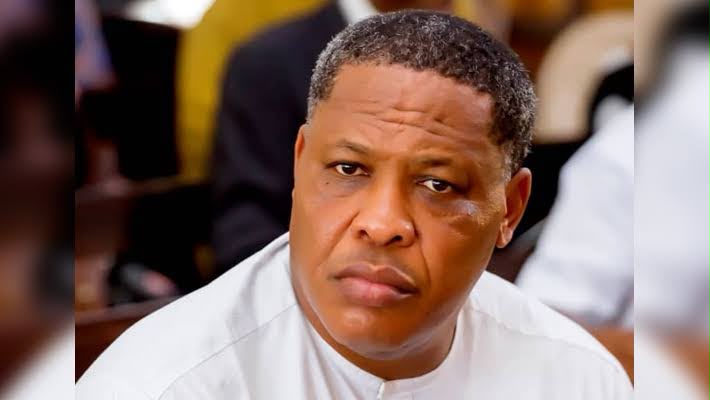
In a revealing account, former military leader Gen. Abdulsalami Abubakar disclosed the coercive tactics employed by Sani Abacha during the 1993 coup that overthrew the interim government. Abubakar, who was then Chief of Army Staff, recounted how Abacha manipulated him into accepting a pivotal role in the coup, showcasing the high stakes and political maneuvering of Nigeria's turbulent military past.
Abubakar's reflections shed light on the inner workings of military politics, where loyalty often came at the cost of personal conviction. He stated, “I felt I had no choice but to comply with Abacha’s demands, as resistance could have jeopardized my career and life.” This admission underscores a broader narrative of the era, where military leaders often found themselves entangled in power struggles that shaped Nigeria's governance.
As Nigeria continues to grapple with its democratic evolution, Abubakar's revelations remind the nation of the shadows cast by military rule. The ongoing dialogue about accountability and transparency in governance remains crucial, as the country seeks to distance itself from its autocratic legacy while forging a path toward a more stable democratic future.