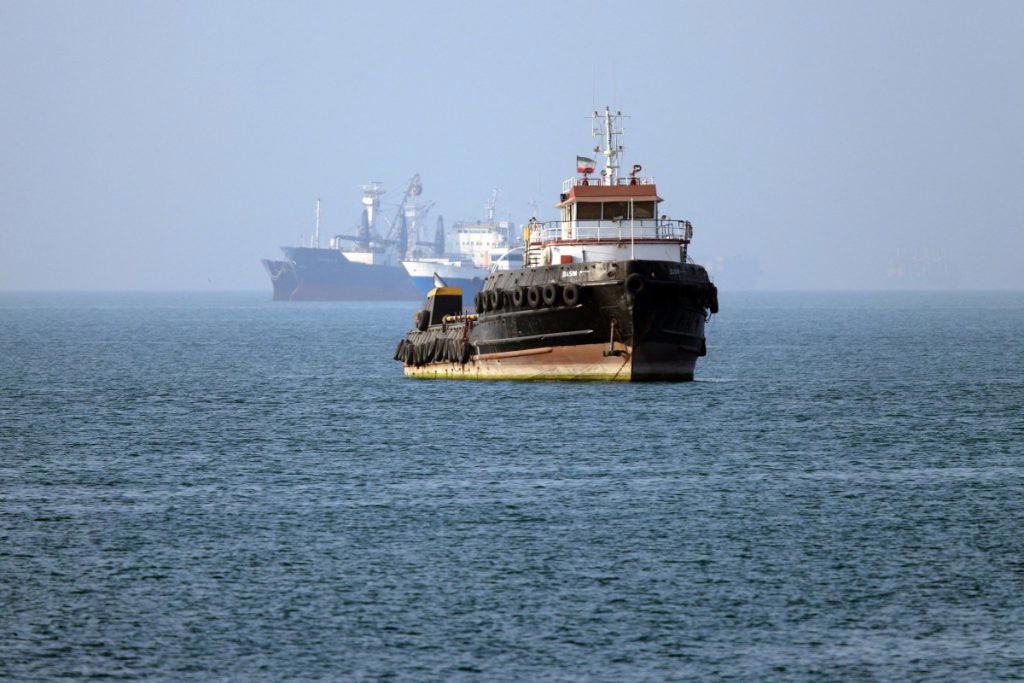
The recent strike on a commercial vessel in the Strait of Hormuz has significantly disrupted maritime traffic in this critical shipping route. According to maritime tracking firm Kpler, only 29 vessels crossed on Saturday, dropping to a mere 12 on Sunday, marking a stark decline in transit activity. This incident underscores the persistent volatility in the region, where geopolitical tensions often lead to threats against shipping.
The attack, which remains under investigation, has heightened concerns about the safety of maritime operations in the Hormuz Strait, a chokepoint for nearly a fifth of the world’s oil supply. "The security of our shipping lanes is paramount, and any act of aggression will have far-reaching implications for global trade," stated Captain Amir Khosravi, a maritime security expert.
As shipping companies reassess their routes and increase security measures, the long-term impacts on oil prices and global supply chains remain uncertain. Stakeholders will be closely monitoring the situation to gauge whether this incident will prompt greater military presence or diplomatic efforts to stabilize the region. The coming days will be critical in determining how this incident reshapes maritime dynamics in the Strait of Hormuz.