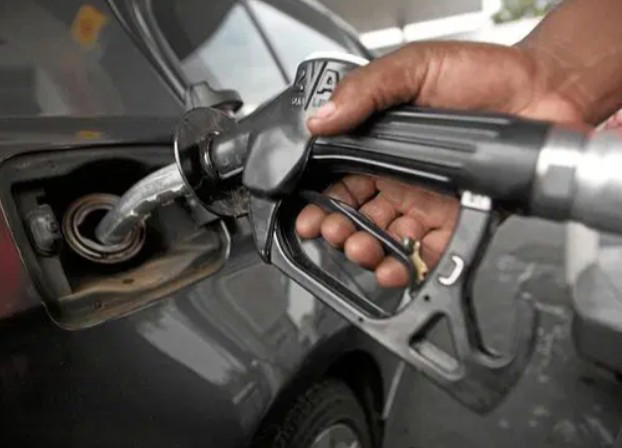
As crude oil prices surge past $100 per barrel, Nigeria faces the specter of renewed inflation, exacerbated by geopolitical tensions between the United States and Iran. This spike is expected to trigger higher petrol prices and transport costs, impacting everyday consumers and businesses alike.
The situation is compounded by Nigeria's reliance on imported fuel, making it particularly vulnerable to fluctuations in global oil markets. Recent statements from the Nigerian National Petroleum Corporation indicate concern over potential supply chain disruptions. "We are preparing for the worst-case scenario to mitigate the impact on consumers," said Mele Kyari, Group Managing Director of NNPC. His remarks underscore the urgency of addressing Nigeria's energy challenges amid rising global prices.
Looking ahead, the economic implications of sustained high oil prices could be severe, pushing inflation rates higher and straining household budgets. Policymakers may need to consider strategic interventions to stabilize the economy and protect vulnerable populations from escalating costs. As the situation evolves, the government's response will be critical in navigating these turbulent waters.