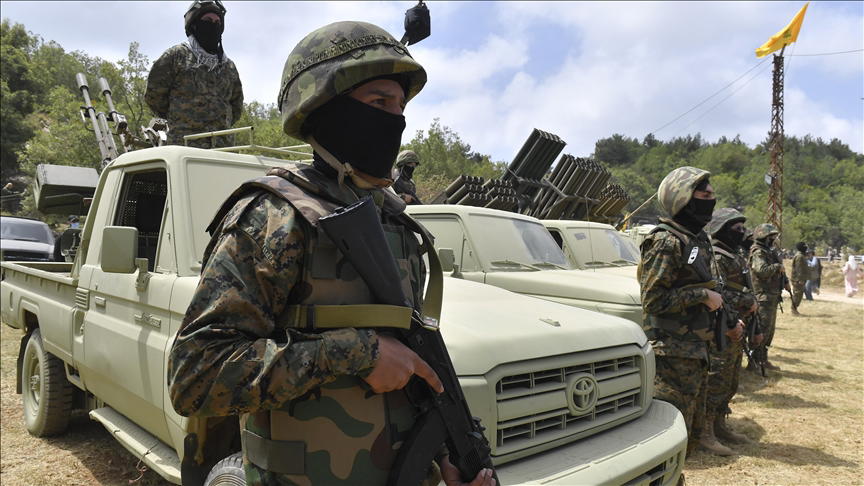
Hezbollah's deployment of fibre-optic drones marks a significant escalation in the ongoing conflict with Israel, challenging the nation’s established military superiority. These drones, described as small and inexpensive, have been likened to "children's toys," making them easily accessible for non-state actors. This development comes amid heightened tensions in the region, prompting Israel to reassess its defense strategies.
The drones' capabilities enhance Hezbollah's intelligence-gathering and targeting precision, enabling them to conduct surveillance and potentially coordinate strikes more effectively. "This new technology allows us to level the playing field against a formidable adversary," said a senior Hezbollah official. The implications for Israel are profound, as the drones complicate its operational environment, which has traditionally relied on air superiority and advanced surveillance.
Looking ahead, Israel may need to invest in counter-drone technologies and adapt its military doctrine to address these emerging threats. The increasing sophistication of Hezbollah’s tactics serves as a reminder that asymmetric warfare continues to evolve, posing new challenges to conventional military forces. The situation underscores the urgent need for diplomatic engagement to mitigate further escalation in the region.