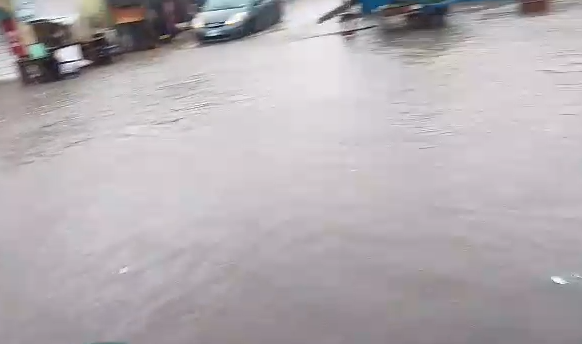
Lagos is grappling with the aftermath of a devastating downpour that has left the city in chaos, highlighting ongoing vulnerabilities in its infrastructure. Torrential rains on Sunday resulted in flash floods that caused severe traffic gridlock, stranding countless commuters and trapping vehicles across major thoroughfares. The city, already burdened by inadequate drainage systems, struggled to cope with the deluge, raising concerns about the impact of climate change on urban planning.
Local authorities and transportation officials have been criticized for their slow response to such weather events. “This flooding crisis underscores the urgent need for a comprehensive drainage and urban planning strategy,” stated Olufemi Adeyemi, a senior environmental analyst. His remarks reflect a growing call among residents for systemic changes to prevent future catastrophes.
As Lagos continues to experience erratic weather patterns, the implications for public safety and mobility are profound. Without significant investment in infrastructure and climate resilience, the city risks facing more frequent and disruptive flooding events. A proactive approach is essential to safeguard the lives and livelihoods of its citizens in the years ahead.