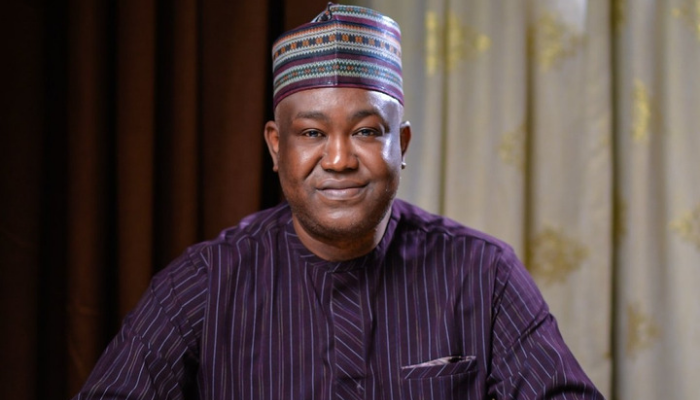
The recent Federal High Court order to deregister five political parties has sparked significant controversy in Nigeria's political landscape. Among the affected is the African Democratic Congress (ADC), which has raised alarms about the implications for democracy and pluralism in the nation. Gbenga Hashim, Co-Chairman of the Movement for Democratic Renewal (MDR), criticized the ruling, stating, "This decision undermines the fundamental rights of citizens to associate and to participate in the political process."
The court's directive comes amid growing concerns over the shrinking space for opposition voices in Nigerian politics. Hashim emphasized that the deregistration not only threatens the parties involved but also sets a dangerous precedent that could discourage civic engagement and diminish electoral competition. This situation reflects broader issues surrounding governance and the rule of law, as opposition parties struggle to maintain their relevance in an environment increasingly dominated by the ruling party.
Looking ahead, the political ramifications of this ruling could galvanize grassroots movements and provoke legal challenges. As citizens become more aware of their rights, there may be renewed calls for reforms that protect democratic institutions and ensure a vibrant political discourse in Nigeria.