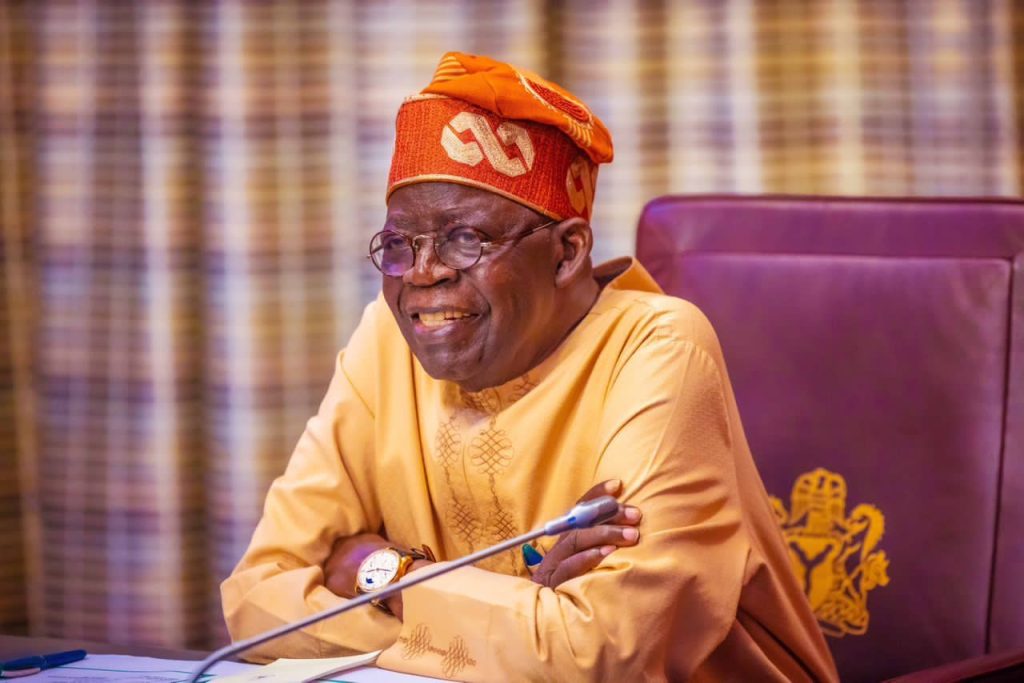
In a recent address, President Bola Tinubu emphasized the crucial link between democracy and economic wellbeing, stating, “democracy must be felt in the pocket.” This declaration comes at a pivotal moment as Nigeria grapples with economic challenges, including soaring inflation and rising unemployment. Tinubu’s administration is implementing reforms aimed at enhancing the living standards of citizens, reflecting a commitment to ensure that democratic governance yields tangible benefits.
Historically, Nigeria's democracy has faced criticism for failing to translate political freedoms into economic opportunities. The president’s insistence on economic reforms underscores a shift in focus towards practical outcomes that resonate with everyday citizens. Stakeholders, including economic analysts, have welcomed this approach but caution that effective implementation is key.
As Tinubu's administration navigates these reforms, the expectation is that tangible improvements in economic conditions will bolster public trust in democratic institutions. The success of these initiatives could redefine Nigeria's political landscape, potentially enhancing citizen engagement and shaping future governance in the country. The challenge remains whether these reforms can indeed translate into lasting economic benefits for all.