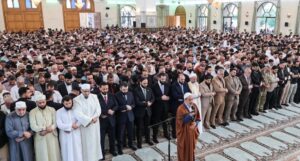
This year's Hajj pilgrimage is marked not only by its spiritual significance but also by the extreme heat that challenges thousands of participants. As pilgrims gathered to perform the symbolic stoning of the devil at Mina, Saudi authorities emphasized safety measures to protect them from heat exhaustion. This ritual, a crucial part of Hajj, involves throwing stones at three pillars representing Satan’s temptation, symbolizing the rejection of evil.
Amidst the sweltering conditions, many pilgrims expressed their determination to complete the rites despite the hardships. "We are here to fulfill our spiritual duty, and nothing will hinder us," said Fatima Al-Hassan, a pilgrim from Nigeria. This resilience highlights the deep commitment of Muslim faithful to their religious obligations, even in the face of adversity.
Looking ahead, the Saudi government is likely to enhance its infrastructure and health services to accommodate future Hajj seasons, especially as climate challenges intensify. As the world becomes more unpredictable, the integration of technology and improved planning will be essential to ensure the safety and well-being of millions who undertake this sacred journey.