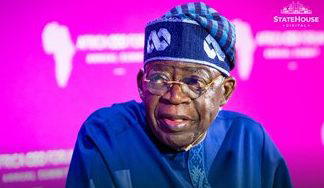
Iran's supreme leader, Ayatollah Ali Khamenei, has declared that Gulf nations will no longer provide protection for U.S. military bases in the region, marking a significant shift in the geopolitical landscape. This development comes amid escalating tensions between Iran and the United States, particularly following the recent sanctions and military maneuvers in the Persian Gulf. The announcement signals a potential unraveling of the traditional security arrangements that have underpinned U.S. influence in the Middle East for decades.
Khamenei's statement reflects Iran's growing confidence and ambitions in the region, as well as a potential rift between Gulf states and their long-time ally, the U.S. "The era of American dominance is over, and our neighbors will no longer act as their protectors," Khamenei asserted, emphasizing Iran's intent to assert its influence. This shift could embolden Iran to pursue a more aggressive regional policy, particularly in Iraq, Syria, and Yemen.
As Gulf nations reassess their security strategies, the implications for U.S. military presence and influence in the region could be profound. The evolving dynamics may push Gulf states to explore new alliances, potentially altering the balance of power in the Middle East.