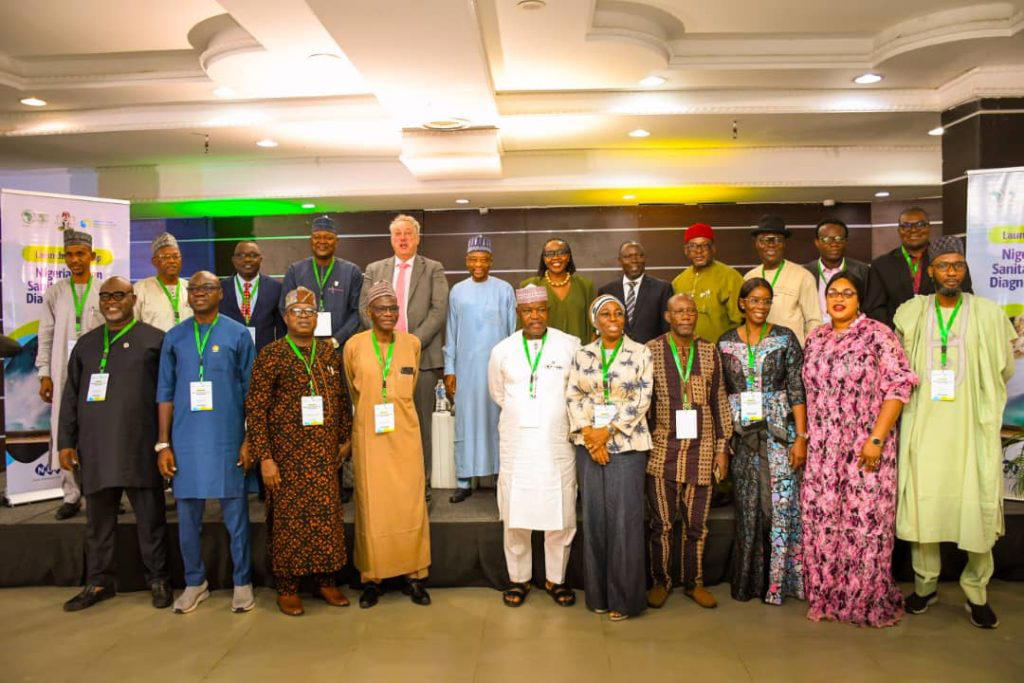
In the bustling city of Kaduna, Nigeria, a sense of accomplishment permeates the air as local leaders and community members gather to commend Governor Sani for his recent efforts in improving the experience of Nigerian pilgrims traveling to Makka. This event, marked by a series of discussions and public acknowledgment, highlights a significant development in the government's approach to securing the welfare of its citizens during religious pilgrimages. The governor's initiative to ensure excellent accommodations for pilgrims near the grand mosque in Makka has not only drawn accolades from various quarters but also set a new benchmark for religious tourism and public service in the country.
The history of religious pilgrimages from Nigeria is rich and deeply rooted, with thousands of Muslims making the sacred journey to Makka each year to perform the Hajj. This journey, considered one of the most important pillars of Islam, has long been supported by both federal and state governments, which strive to facilitate a seamless and spiritually fulfilling pilgrimage for their citizens. However, in the past, logistical challenges and inadequate accommodations have occasionally marred the experience, prompting demands for improvements.