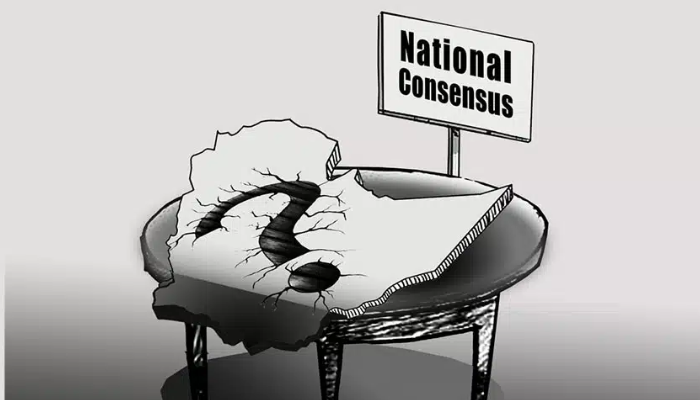
Nigeria's President Bola Ahmed Tinubu faces an uphill battle in his ambitious plans to reshape the nation's landscape without a broad national consensus. Amid economic challenges and rising discontent, his administration's recent policies have sparked debates about governance and inclusivity. Critics argue that a unilateral approach could exacerbate existing divisions rather than foster unity.
Key developments include Tinubu's controversial economic reforms aimed at stabilizing a faltering economy, which many believe require support from various stakeholders, including opposition parties and civil society. As Dr. Ngozi Okonjo-Iweala, Director-General of the World Trade Organization, aptly put it, "Sustainable change can only happen when all voices are heard and integrated into the process." This sentiment underscores the necessity for an inclusive dialogue in governance.
Looking ahead, Tinubu's ability to implement meaningful reforms hinges on his willingness to engage with diverse political factions and communities. Without this essential collaboration, his vision for a transformed Nigeria may remain a distant dream, reinforcing the notion that true progress depends on unity rather than a singular, authoritative mandate.


