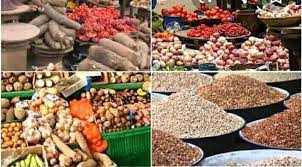
Ginger prices in Lagos have seen a significant spike, driven largely by insecurity in key producing states, with traders warning that the situation is unsustainable for local households. The ongoing violence and instability in regions like Kaduna and Niger have disrupted production and supply chains, leading to a marked decrease in availability. Coupled with escalating transport costs, these factors have pushed prices higher, creating a ripple effect throughout the market.
As traders navigate this challenging landscape, the impact on consumers is becoming increasingly pronounced. “We can no longer afford to buy ginger in bulk, and our customers are feeling the pinch,” said Chinedu Okafor, a local trader. This sentiment reflects the broader economic strain that insecurity is placing on everyday life in Lagos, where many families rely on affordable food options.
Looking ahead, if the security situation does not improve, the rising prices of ginger could lead to further inflation in food costs, exacerbating food insecurity for vulnerable populations. Addressing the root causes of instability is crucial to restoring supply chains and stabilizing prices, ensuring that essential commodities remain accessible to all.