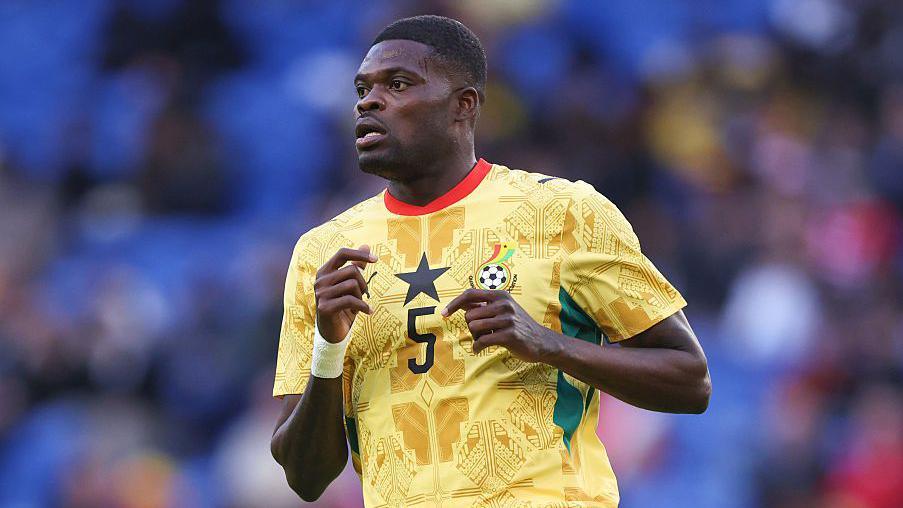
Ghana's appeal in Canadian courts to reverse midfielder Thomas Partey's World Cup ban underscores the escalating tensions between sports governance and national interests. The case arises after Partey was suspended for alleged doping violations, a move that has incited outrage among Ghanaians who view him as a pivotal player for their national team. Foreign Minister Sam Okudzeto Ablakwa branded Canada's decision as "high-handed and extremely unfair," emphasizing the importance of Partey's participation in the global tournament.
This legal battle comes at a time when Ghana seeks to enhance its international reputation in sports, particularly following a disappointing performance in recent competitions. The government argues that Partey's absence would significantly diminish the team's chances of success on the world stage, which is crucial for national pride and unity.
As the court proceedings unfold, the implications extend beyond just football. A favorable ruling for Ghana could set a precedent for how international sports federations handle doping cases, while a setback might discourage other nations from challenging perceived injustices in athletic governance. The outcome will likely resonate well beyond the pitch, influencing future sports policy discussions globally.