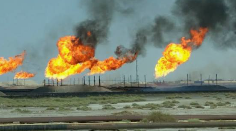
Gas flaring in Nigeria is not just an environmental concern; it represents a staggering economic loss, amounting to approximately $5.5 billion annually. Despite being Africa's largest oil producer, Nigeria continues to waste billions of cubic feet of valuable natural gas through routine flaring and leaks, with daily methane waste costing the economy around $30 million. This has raised alarm among environmentalists and economists alike, highlighting the urgent need for reform in the country's oil and gas sector.
"The flaring of gas is not only a loss to our economy but also a significant environmental disaster," said Nnimmo Bassey, Director of the Health of Mother Earth Foundation. This sentiment reflects growing frustration over Nigeria's inability to harness its natural gas resources effectively, which could contribute to energy security and economic diversification.
As global energy dynamics shift toward cleaner alternatives, Nigeria's continued reliance on flaring could hinder its competitiveness. A shift towards sustainable practices could not only enhance revenue but also position Nigeria as a leader in the transition to greener energy solutions. The time for change is now, as the country stands at a crossroads between continued waste and potential prosperity.