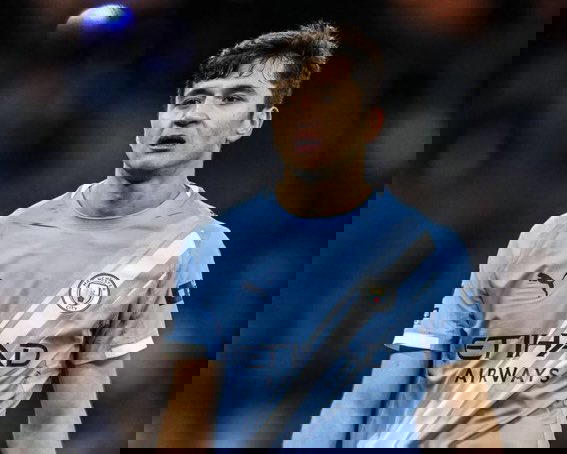
As the 2026 World Cup approaches, excitement surrounds not only the matches but also the financial stakes involved, with top players earning staggering salaries. The tournament features a roster of elite footballers, including perennial icons Cristiano Ronaldo and Lionel Messi, who continue to dominate both the pitch and the earnings chart.
Ronaldo leads the pack, reportedly earning over $50 million annually, while Messi closely follows with lucrative contracts and endorsement deals that keep him firmly in the spotlight. According to FIFA President Gianni Infantino, “The World Cup is not just a sporting event; it’s an economic phenomenon. The players are not only athletes but also global ambassadors.”
As the tournament unfolds, it’s likely that these figures will draw attention to the broader implications of football's commercialization. Fans and analysts alike will scrutinize how the financial disparity among players affects team dynamics and competition. In an age where soccer is increasingly intertwined with business, the spotlight on these high earners raises questions about the sport’s future and its impact on aspiring players worldwide.