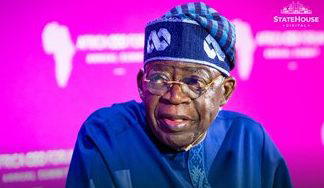
In a bold assertion, President Bola Tinubu stated that the removal of fuel subsidies has been pivotal in steering Nigeria away from the brink of bankruptcy. Speaking on May 29, 2026, he emphasized that this significant policy shift not only stabilizes the economy but also lays a foundation for future recovery. The subsidy, long criticized for draining government resources, had become a contentious issue, straining the nation's finances amid rising global oil prices.
Tinubu's administration implemented the subsidy removal in a bid to redirect funds toward critical infrastructure and social programs, aiming to enhance economic resilience. "We had to make tough choices for the greater good," Tinubu remarked, underscoring the necessity of the decision. Critics, however, warn that the removal could exacerbate inflation and burden the poor, raising concerns about social equity.
Looking ahead, Nigeria faces the challenge of ensuring that the benefits of subsidy removal translate into tangible improvements for its citizens. As the government works to harness newfound resources, the focus will be on fostering inclusive growth and addressing the socio-economic disparities that have long plagued the nation.