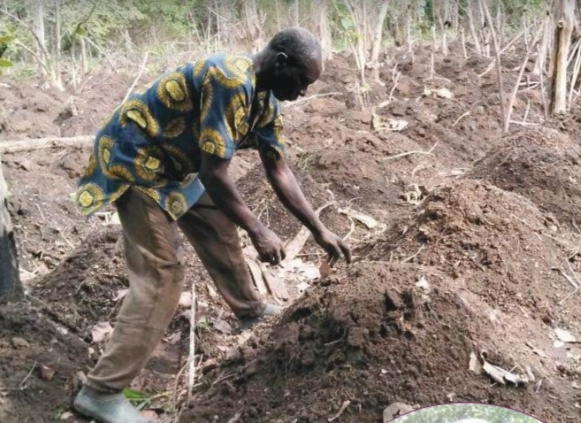
Climate change is transforming Nigeria's agricultural landscape from one of abundance to a stark scarcity, severely impacting farmers' livelihoods. Erratic weather patterns, prolonged droughts, and increased flooding have led to diminished crop yields, leaving many unable to sell their produce. As a result, the agricultural sector, which employs nearly 70% of the Nigerian population, faces unprecedented challenges.
Farmers like Adeola Okuneye, a local maize producer, express their frustration: "We used to rely on predictable seasons, but now we can hardly guess when to plant. Our harvests are smaller, and prices have plummeted." This uncertainty not only threatens food security but also exacerbates poverty in rural communities. With less income, families struggle to afford basic necessities, further entrenching the cycle of hardship.
Looking ahead, Nigeria must adapt its agricultural practices to mitigate the effects of climate change. Investment in sustainable farming techniques and improved irrigation systems could offer farmers a lifeline. However, without urgent intervention and support from both the government and international partners, the future of Nigeria’s agriculture remains precarious, risking the livelihoods of millions.

