As inflation continues to erode purchasing power in Nigeria, the Nigeria Labour Congress (NLC) has announced that fresh negotiations for a new minimum wage will commence soon. This decision comes in response to escalating living costs that have significantly impacted workers' earnings across various sectors.
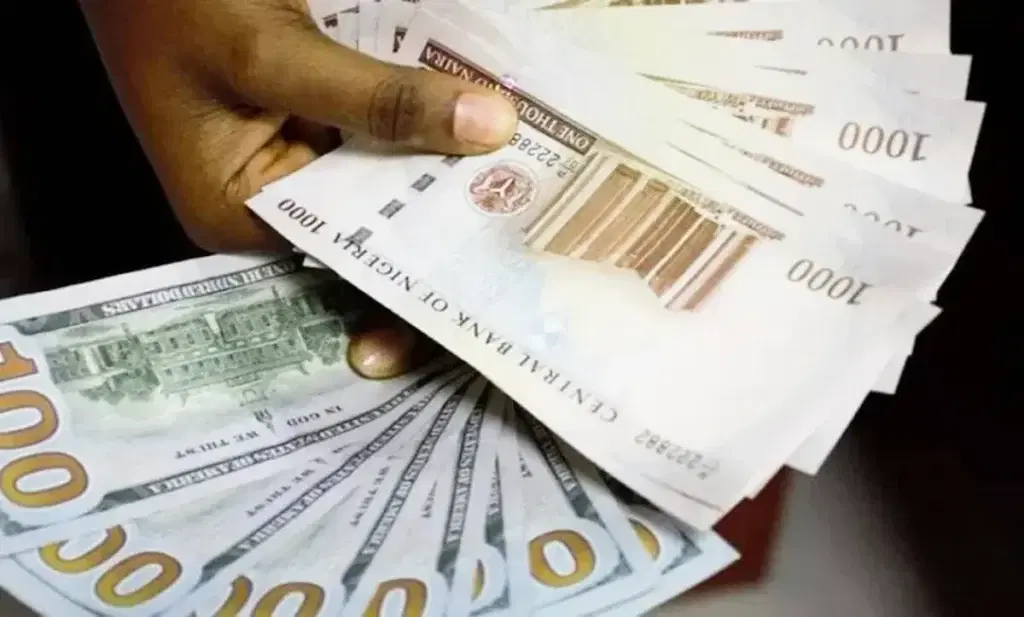
The last minimum wage increase occurred in 2019, set at 30,000 Naira, but with inflation rates currently exceeding 20 percent, many workers find themselves struggling to meet basic needs. NLC President Joe Ajaero emphasized the urgency of the situation, stating, “The current minimum wage is no longer sustainable for the average Nigerian worker.” This sentiment reflects widespread concern that without a wage adjustment, many families may face even greater financial hardship.
As discussions unfold, the potential for a wage increase hinges on negotiations between the NLC, government representatives, and business stakeholders. The outcome will not only affect workers' livelihoods but also has broader implications for economic stability and consumer spending in Nigeria. Stakeholders are urged to consider the necessity of a fair wage that reflects the realities of inflation, ensuring workers can sustain their families and contribute to the economy effectively.