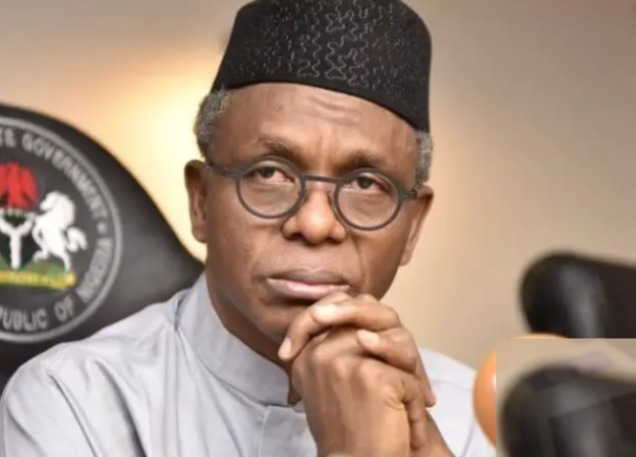
The sentencing of former Power Minister Mamman Saleh to 75 years in prison for fraud involving N33.8 billion marks a significant moment in Nigeria's ongoing battle against corruption. This ruling not only reflects the government's commitment to address financial misconduct but also serves as a warning to public officials engaged in corrupt practices. Saleh's case has exposed systemic issues within Nigeria's power sector, which has long been plagued by mismanagement and inefficiency.
In a statement following the verdict, Transparency International's Nigeria chapter director, Ayo Obe, emphasized, "This sentence must serve as a catalyst for broader reforms in governance and accountability across all sectors." The conviction is a part of a larger strategy by the Nigerian government to restore public trust and reinforce the rule of law.
As the nation grapples with economic challenges and power supply issues, the outcome of Saleh's trial could pave the way for increased scrutiny of public officials. Moving forward, it is essential for Nigeria to implement more robust anti-corruption measures while ensuring that justice is served consistently, fostering a culture of transparency that could ultimately benefit the country's development.