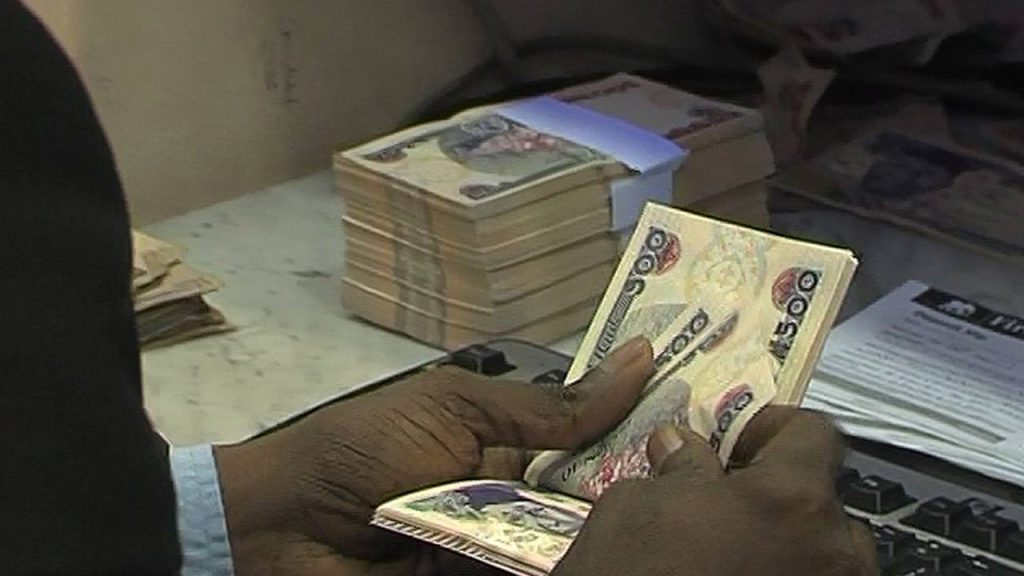
Nigeria's inflation rate surged to 15.69% in April 2026, a significant increase attributed primarily to escalating food and transport costs, as reported by the National Bureau of Statistics (NBS). This uptick reflects broader economic challenges, including supply chain disruptions and the lingering impacts of global inflationary pressures. Food prices have risen sharply, affecting the most vulnerable populations who spend a larger share of their income on essential goods.
Transport costs have also contributed to the inflation spike, exacerbated by rising fuel prices and inadequate infrastructure. "The current inflation trend underscores the urgent need for targeted government interventions," stated Dr. Ngozi Okonjo-Iweala, an economic advisor. She emphasized the importance of addressing supply chain inefficiencies to stabilize prices.
As Nigeria grapples with these economic pressures, the government faces a critical challenge in implementing policies that not only curb inflation but also stimulate growth. The upcoming monetary policy decisions will likely prove pivotal, as authorities strive to balance inflation control with the need for economic recovery. The outlook remains uncertain, necessitating vigilant monitoring of price trends and consumer sentiment in the coming months.