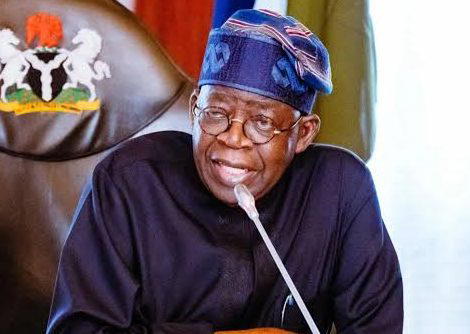
The Presidency's recent clarification regarding fiscal years, asserting they are defined by law rather than the calendar, underscores ongoing debates about Nigeria's budgetary transparency. The Budget Office of the Federation responded to public concerns surrounding the timing of Quarterly Budget Implementation Reports, explaining that these reports align with statutory requirements.
Historically, Nigeria’s fiscal practices have faced scrutiny, particularly concerning timely disclosures. Critics argue that delays hinder accountability and informed public discourse. The Presidency’s emphasis on legal definitions aims to alleviate confusion and reinforce the integrity of the budgetary process. As Budget Office Director, Mr. Akintola Adeyemi, stated, “Our commitment is to uphold the constitutional framework governing our fiscal operations while ensuring fiscal responsibility.”
Looking ahead, this statement may serve as a pivotal moment in enhancing public trust in governmental financial reporting. With the 2026 elections approaching, the administration must prioritize transparency and responsiveness to public concerns. This could redefine how citizens engage with fiscal policies, ultimately influencing voter sentiment and the broader economic landscape in Nigeria.