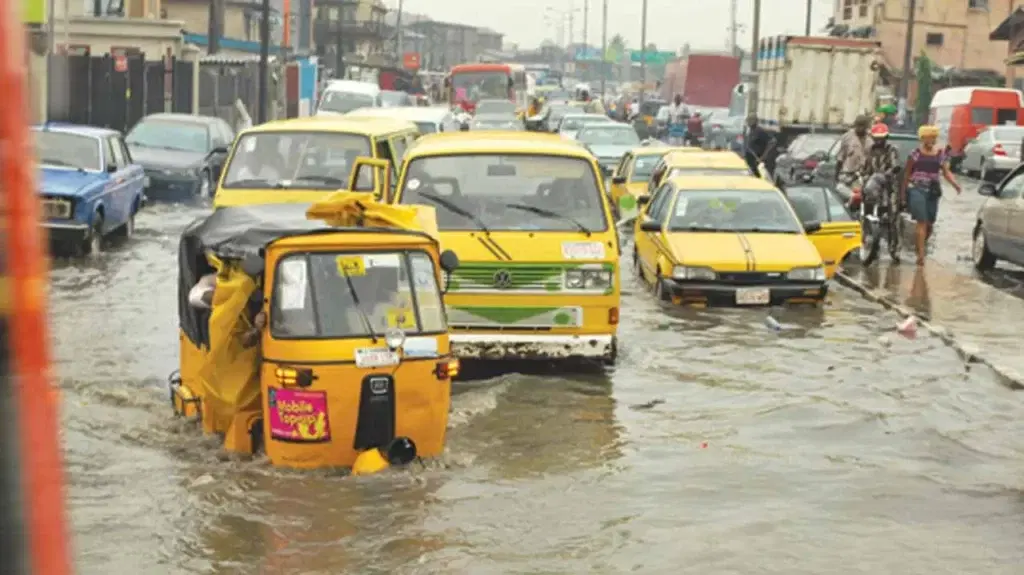
Lagos, a bustling metropolis, is once again grappling with the disastrous consequences of flooding, exacerbated by rampant waste disposal practices. Each year, heavy rains reveal the city’s vulnerability as drainage systems become clogged with refuse, leading to widespread devastation. The recent deluge has intensified calls for urgent reform in waste management and urban planning.
Local authorities have been overwhelmed as flooded streets cripple transportation and disrupt daily life. In an effort to tackle the issue, Mr. Olufemi Ogunbanjo, the Lagos State Commissioner for Environment, stated, "We must change our mindset about waste; our drainage channels are not dumping grounds." This sentiment underscores the necessity for community engagement and a shift in public behavior towards waste disposal.
As Lagos faces its annual cycle of flooding, the linkage between environmental neglect and infrastructural failure is increasingly clear. Moving forward, a collaborative approach between government, residents, and environmental organizations is essential to avert future disasters. Emphasizing education and accountability, Lagos can transform its challenges into opportunities for sustainable urban development. The time for decisive action is now, before the next rainfall brings further chaos.