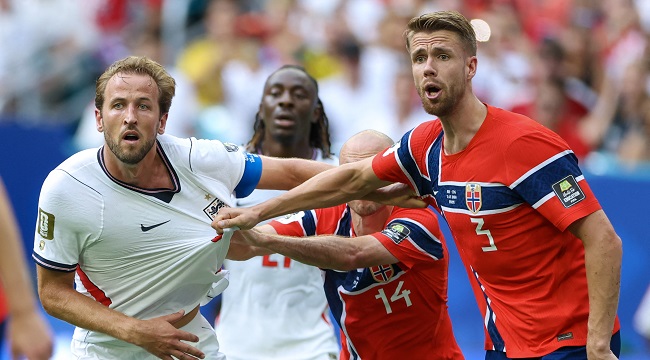
The FIFA World Cup, a global spectacle, is increasingly entangled with the politics and intricacies of officiating, particularly through the lens of VAR (Video Assistant Referee). As teams compete for glory, the rules governing fouls and fair play come under intense scrutiny. Pierluigi Collina, renowned for his refereeing expertise, recently clarified the nuances of officiating during the tournament, stating, "Stepping on an opponent's foot is a foul, whereas a defender who touches the ball first and then makes normal football contact has not committed a foul."
This tournament marks a significant moment for African nations, as they strive to enhance their representation on the world stage. The integration of VAR has the potential to either mitigate or exacerbate existing biases in officiating, raising questions about fairness and equality in the game. With political implications intertwined with sports governance, the performance of African teams will be closely observed not only for their athleticism but also for how they navigate these complex dynamics.
As the tournament progresses, the outcomes may set precedents for future competitions, emphasizing the need for transparency and consistency in officiating standards globally.