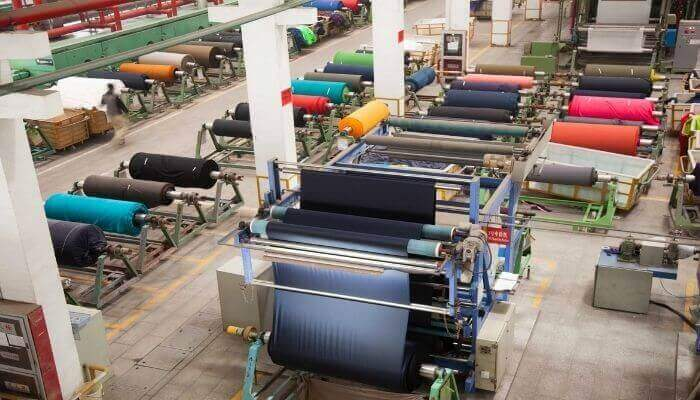
Nigeria's textile sector faces a critical revival as the Federal Government unveils ambitious plans to create 1.5 million jobs amid a staggering 95% decline in cotton production. This initiative highlights a significant shift towards revitalizing domestic manufacturing and reducing reliance on imports, which have plagued the industry for years.
Key developments include government incentives for local farmers and textile manufacturers, aimed at boosting cotton cultivation and production. Stakeholders, including Samuel Adeyemi, President of the Nigerian Textile Manufacturers Association, express optimism: "This initiative is a lifeline for the industry and will restore Nigeria's position as a key player in the global textile market."
As the government implements these strategies, the reliance on foreign textiles could diminish, fostering economic stability and job creation. However, successful execution will require a coordinated effort between the public and private sectors, along with investment in technology and infrastructure. The outcome of this initiative could reshape Nigeria’s economic landscape, offering a potential model for diversifying its economy and enhancing self-sufficiency in key sectors.