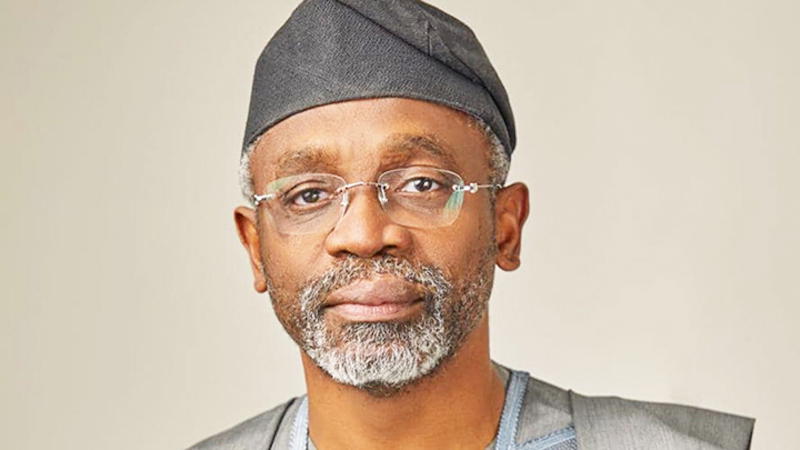
The Federal Government’s intention to review the national minimum wage signals a critical response to Nigeria's mounting economic challenges. House of Representatives Speaker Femi Gbajabiamila announced that the current N70,000 wage no longer aligns with the rising cost of living, prompting calls for an urgent reassessment. This move comes amid widespread inflation, where many citizens struggle to afford basic necessities.
In recent years, the minimum wage has been a contentious issue, with the last increase in 2019 failing to keep pace with economic realities. Gbajabiamila emphasized, “We must ensure that our workers are compensated in a manner that reflects the current economic landscape,” highlighting the urgency of the review. As the government seeks to balance fiscal responsibility with social equity, stakeholders will be watching closely to see how this potential wage adjustment could impact both workers and businesses.
Moving forward, the government's review process will need to consider not only wage levels but also the broader economic environment, including job creation and inflation control. The outcome could influence political stability and public sentiment as Nigeria navigates these turbulent economic waters.
