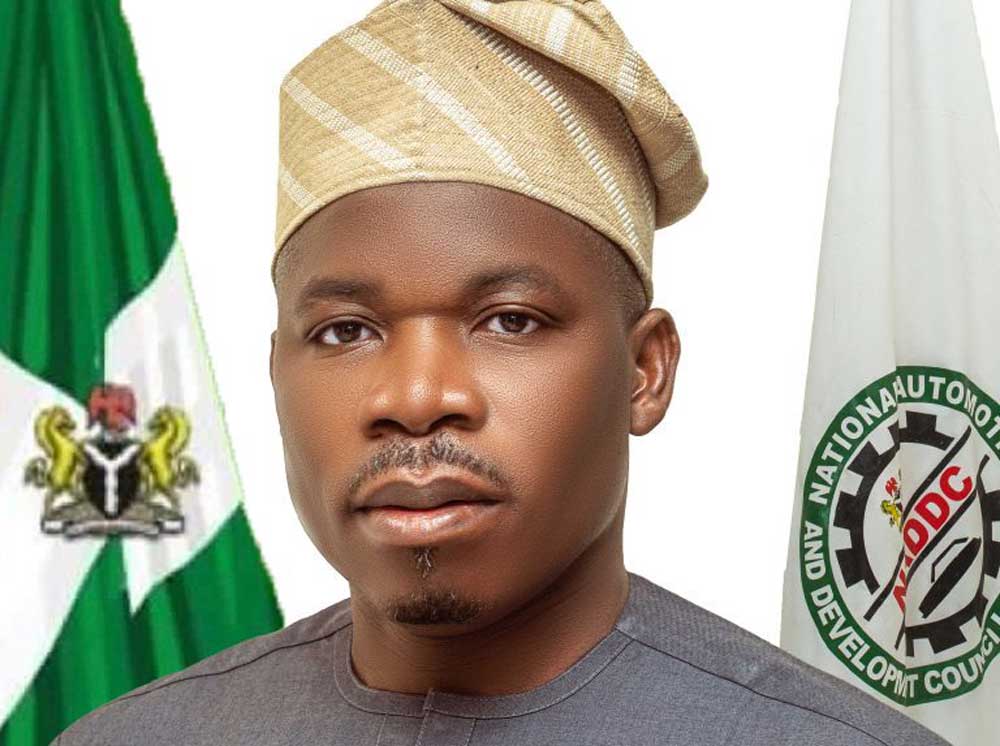
In a significant policy shift, the Nigerian government has tightened auto procurement regulations to boost local automobile manufacturing. This framework is designed to redirect public spending in favor of local assemblers, aiming to fortify the domestic economy against external shocks. The initiative aligns with Nigeria's broader economic goals of creating jobs and fostering industrial growth.
Key developments include the establishment of stricter guidelines mandating that government contracts prioritize locally assembled vehicles. This move comes amid ongoing efforts to reduce reliance on imported automobiles, which have burdened the economy. Stakeholders are optimistic; as Dr. Chijioke Nwankwo, CEO of a leading local assembly plant, stated, "This policy will not only enhance our production capacity but also create jobs and reduce the trade deficit."
Looking ahead, this initiative could catalyze a renaissance in Nigeria's automotive sector, potentially positioning the country as a regional hub for vehicle manufacturing. However, the success of this policy will depend on effective implementation and the government's ability to address challenges such as infrastructure and access to financing for local manufacturers.