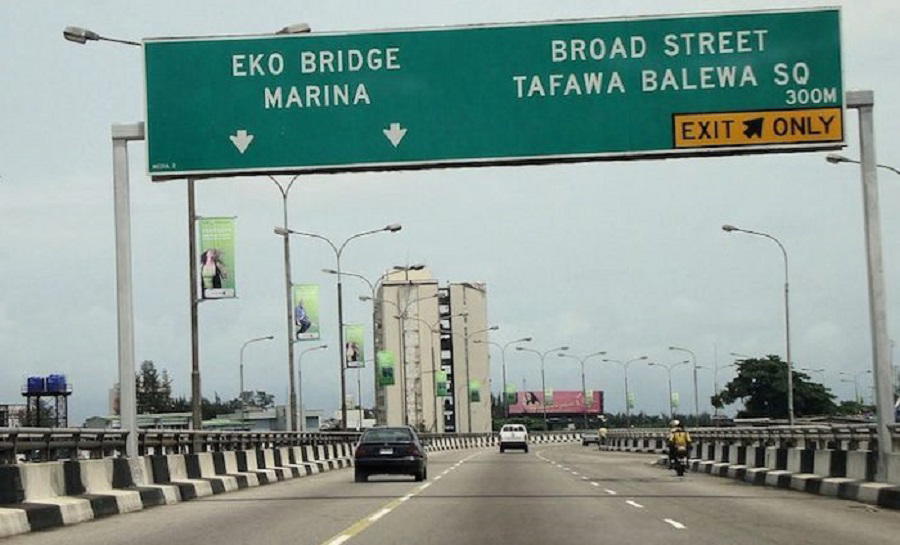
The Federal Government's suspension of the planned closure of Eko Bridge marks a significant shift in urban infrastructure policy, alleviating concerns for thousands of commuters in Lagos. Initially set for closure to facilitate repairs, the decision reflects growing recognition of the bridge's critical role in the city's transportation network, which often faces congestion and logistical challenges.
Stakeholders had voiced strong objections to the closure, emphasizing the potential chaos it could unleash on traffic. "Eko Bridge is a lifeline for many Lagosians; any disruption would have led to severe economic consequences," stated Dr. Oluwaseun Adeyemi, a transportation analyst. The response from the public and advocacy groups likely influenced the government’s reevaluation of its plans.
Looking ahead, the government must prioritize comprehensive maintenance strategies to ensure that essential infrastructure like Eko Bridge remains operational without frequent disruptions. As urban populations grow and infrastructure ages, proactive governance will be crucial in sustaining the cities' functionality and enhancing the quality of life for residents. The dialogue sparked by this decision may pave the way for more inclusive and responsive urban planning in Nigeria.