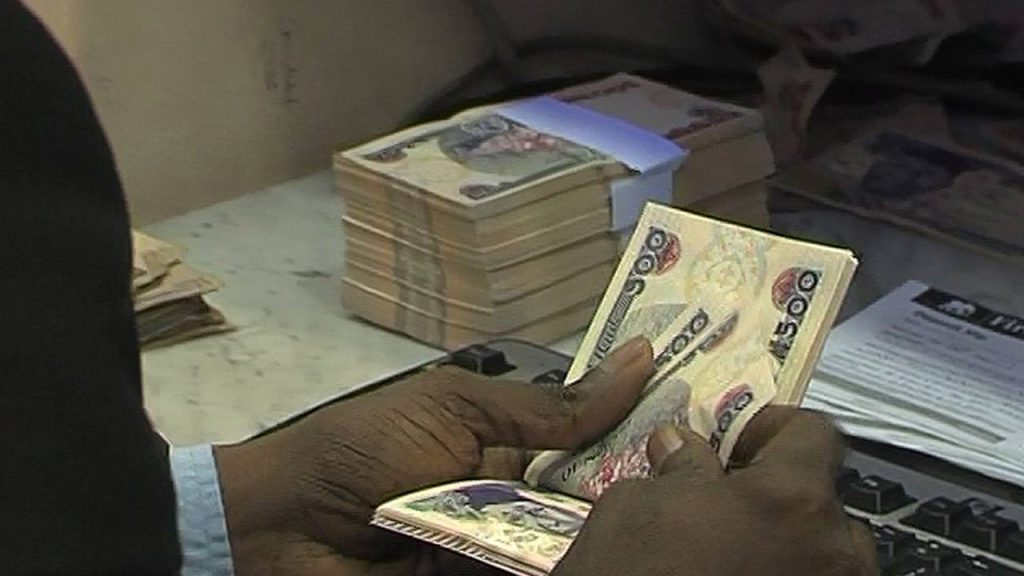
Nigeria's tax revenue shortfall of N2.24 trillion in the first quarter of 2026 has intensified concerns over fiscal compliance and the nation's rising debt levels. The Nigeria Revenue Service (NRS) reported this alarming deficit, highlighting the persistent challenges in tax collection amid a struggling economy.
The government has faced mounting pressure to enhance compliance and broaden the tax base, particularly as public debt continues to swell. “Without decisive action to improve tax collection, we risk compromising our fiscal stability,” warned Dr. Amina Bello, an economist at the African Policy Institute. This shortfall not only impairs immediate public service funding but also raises alarms about potential future borrowing to cover budgetary gaps.
As the fiscal landscape evolves, the government must prioritize reforms to strengthen tax administration and ensure accountability. Stakeholders are urging a comprehensive review of tax policies that could foster greater compliance and economic resilience. Without such measures, Nigeria may find itself trapped in a cycle of debt, unable to invest in the very infrastructure necessary for sustainable growth.