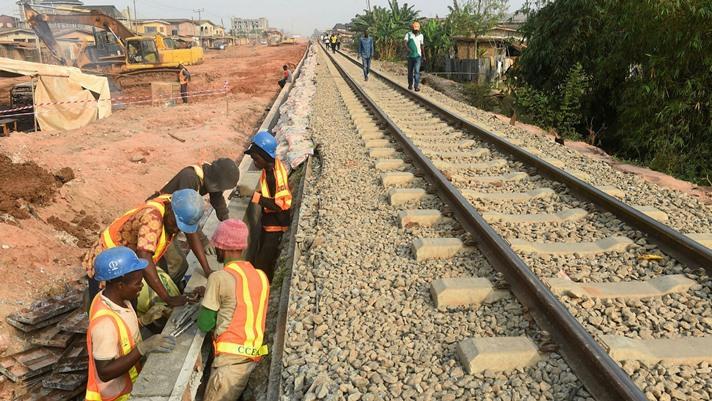
Nigeria's federal government is grappling with a paradox: while revenue collections have shown improvement, capital spending remains stagnant due to persistent cash flow challenges. Federal ministries, departments, and agencies report significant delays in cash releases, undermining their ability to execute crucial infrastructure projects. This situation has heightened concerns about the government's fiscal management, particularly in light of Nigeria's pressing development needs.
In recent months, the government has reported a surge in revenues, attributed to enhanced tax collection and rising oil prices. However, stakeholders highlight that without timely disbursement of funds, these gains will have little impact on economic development. "The inability to access funds for capital projects is a major setback for growth," stated Dr. Amina Bello, an economist at the Nigeria Economic Summit Group.
Looking ahead, the government must address its cash management issues to translate revenue gains into tangible development outcomes. If the current trend continues, Nigeria risks deepening its infrastructure deficit, ultimately stalling economic recovery efforts and affecting the livelihoods of millions. The urgency for reform in fiscal policy and cash flow management has never been greater.