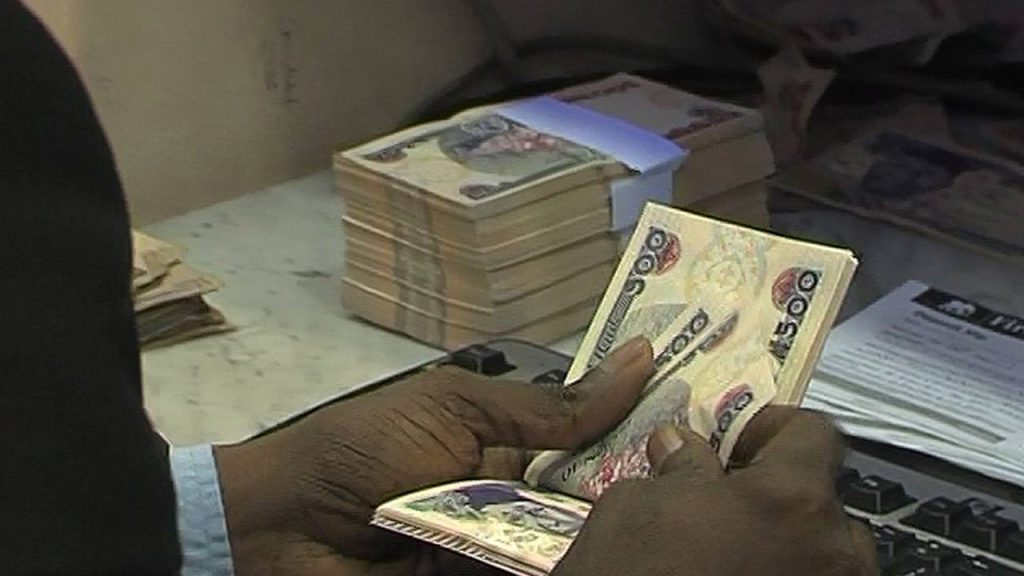
Nigeria's federal government has missed its Q1 tax revenue target by a staggering N2.24 trillion, generating only N7.44 trillion against an expected N9.68 trillion. This significant shortfall raises concerns as the administration intensifies efforts to reform tax collection processes and boost revenue streams.
The Nigerian economy has been grappling with a myriad of challenges, including fluctuating oil prices and inflationary pressures, which have hampered fiscal performance. Stakeholders have expressed concern regarding the government's ability to implement effective tax reforms. "We must prioritize efficiency in tax collection to ensure that we meet our financial obligations and fund critical infrastructure," stated Dr. Adebayo Ogunmola, an economic analyst.
As Nigeria strives to enhance its tax framework, the government faces mounting pressure to address systemic inefficiencies and broaden the tax base. Moving forward, successful navigation of these challenges will be crucial for stabilizing the economy and ensuring that fiscal targets are met in subsequent quarters. Without decisive action, the risk of continued revenue shortfalls looms large, potentially undermining the nation’s economic recovery efforts.