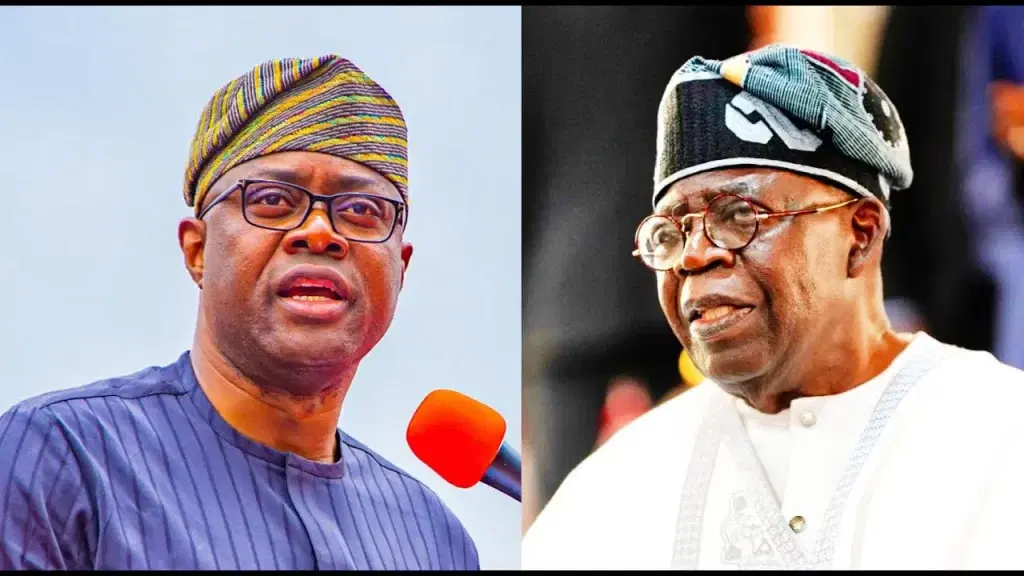
In the bustling heart of Ibadan, where the ancient meets the modern, the air is thick with anticipation as Nigeria once again gears up for another round of elections. Oyo State's Governor Seyi Makinde, a figure who has become synonymous with grassroots leadership, has openly declared that the federal influence so often perceived as a decisive factor in Nigerian elections will not sway the results of the upcoming 2027 elections. As he addressed a gathering of party faithful and curious onlookers alike, Makinde's words reverberated, igniting discussions on the true power of the electorate and the shifting dynamics of Nigerian politics.
Historically, elections in Nigeria have often been marred by accusations of federal interference, with many believing that the central government wields undue influence over electoral outcomes. This perception is not unfounded. Since the return to democratic governance in 1999, the ruling party at the federal level has often been accused of leveraging its resources and influence to sway state elections in its favor. This has led to a longstanding debate about the balance of power between federal and state governments and the autonomy of local political actors.