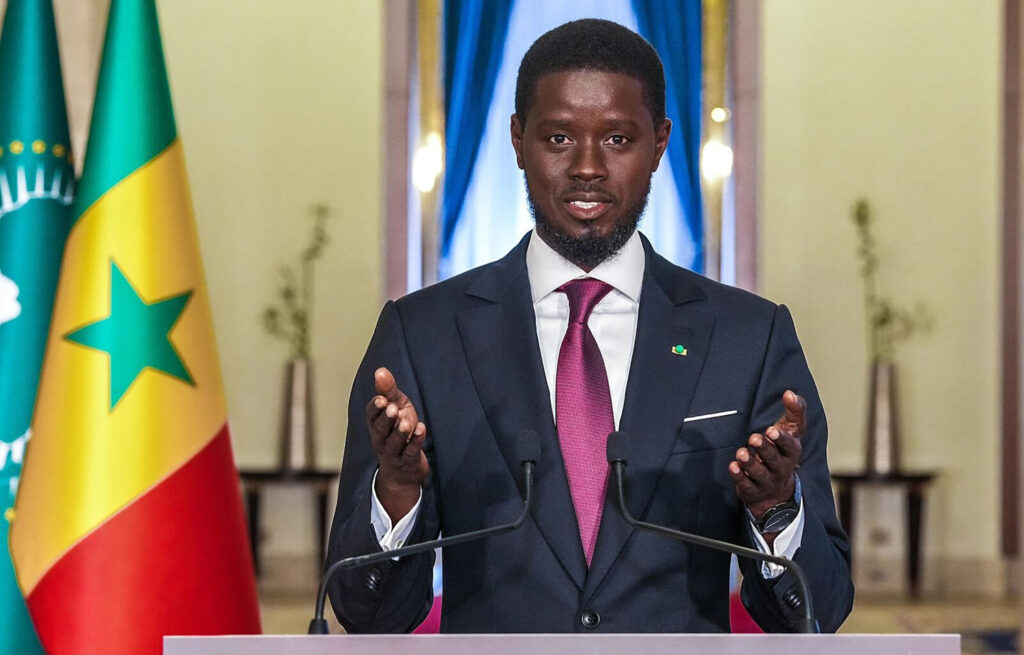
Senegal's political landscape has become increasingly polarized following President Bassirou Diomaye Faye's recent cabinet reshuffle, which has deepened the rift with opposition leader Ousmane Sonko. This shift comes at a critical juncture as the country grapples with economic challenges exacerbated by rising inflation and a faltering growth trajectory. Faye's new appointments are viewed by many as an attempt to consolidate power amid growing dissent.
The reshuffle has sparked fears that political instability may hinder efforts to revitalize the economy. "The government's focus should be on unity and recovery, not further division," stated Aissatou Sow, a political analyst. This sentiment reflects widespread concerns that the ongoing conflict between Faye and Sonko could derail necessary reforms and foreign investment.
As Senegal approaches crucial elections, the implications of this political maneuvering will likely extend beyond the immediate cabinet changes. With economic recovery on the line, the ability of the government to navigate these tensions will be critical. The coming weeks will reveal whether Faye can bridge the divide or if Sonko's opposition will gain further traction, potentially reshaping Senegal's political future.