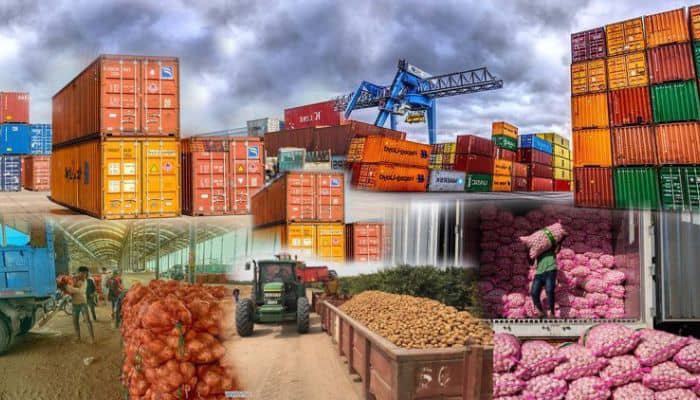
Nigeria's recent N7.55 trillion trade surplus is overshadowed by a worrying trend of export rerouting through neighboring countries, which the Nigerian Economic Summit Group (NESG) warns could erode the country's economic gains. This practice not only undermines Nigeria's trade competitiveness but also deprives the local economy of vital revenue and job creation opportunities. As goods are shipped through countries like Benin and Togo, Nigeria risks losing its position as a key player in regional trade.
Yinka Kolawole, a representative from NESG, emphasized the seriousness of the situation, stating, "If we do not take immediate action to tighten our borders and streamline export processes, we will continue to lose our competitive edge." This statement highlights the urgent need for policy reforms that strengthen Nigeria's trade infrastructure and incentivize local production.
As the government grapples with these challenges, addressing export rerouting will be crucial for sustaining economic growth and enhancing Nigeria's trade landscape. Without effective measures, the trade surplus may not translate into long-term benefits for the Nigerian economy, leaving it vulnerable to external market fluctuations.
