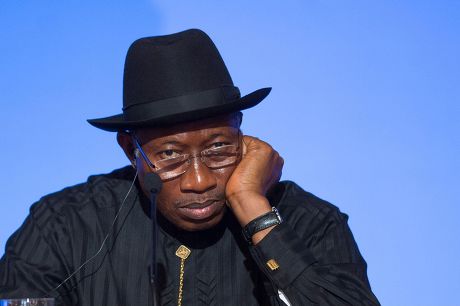
A recent ruling by a Federal High Court in Abuja has declared that former President Goodluck Jonathan can contest in the 2027 presidential election, sparking renewed discussions about Nigeria's constitutional provisions regarding presidential tenure. This decision comes as the nation grapples with the implications of term limits, particularly following Jonathan's presidency from 2010 to 2015.
The court's ruling hinged on interpretations of the constitution, which some argue allows Jonathan to run again, despite having previously served two terms. Legal experts are divided, with some asserting it sets a concerning precedent regarding political continuity and succession. "This ruling highlights the need for a clear constitutional framework to avoid ambiguities in our electoral process," stated Barrister Chijioke Eze, a constitutional lawyer.
As Nigeria approaches the 2027 elections, the implications of this ruling could significantly impact the political landscape. Should Jonathan decide to run, it may not only reshape party dynamics but also influence voter sentiment, particularly among those nostalgic for his leadership. The unfolding situation will continue to test the robustness of Nigeria's democratic institutions and the rule of law.